Water Damage Restoration Gladstone, MO
A split supply line, a water heater that gives out or rain pushing into a lower level all start the same way: extraction first, then drying checked against IICRC S500 readings.
(888) 603-7319Send extraction to the house tonight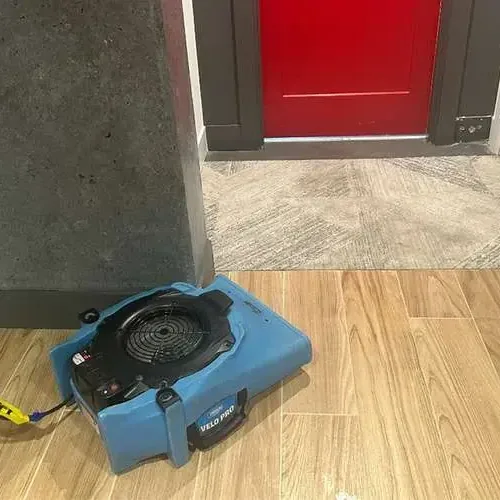
Water Damage Restoration Services in Gladstone, MO
Only water and sewage work, sorted by where the water came from, so a clean supply leak, a sump overflow and a drain backup each get the cleanup and drying they call for.
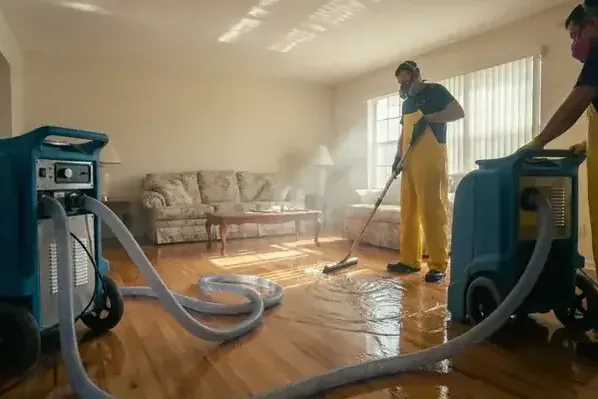 Water Extraction and RemovalStanding water comes off carpet, wood and concrete with truck-mounted and portable extractors, before drywall and trim start drinking it up.View service
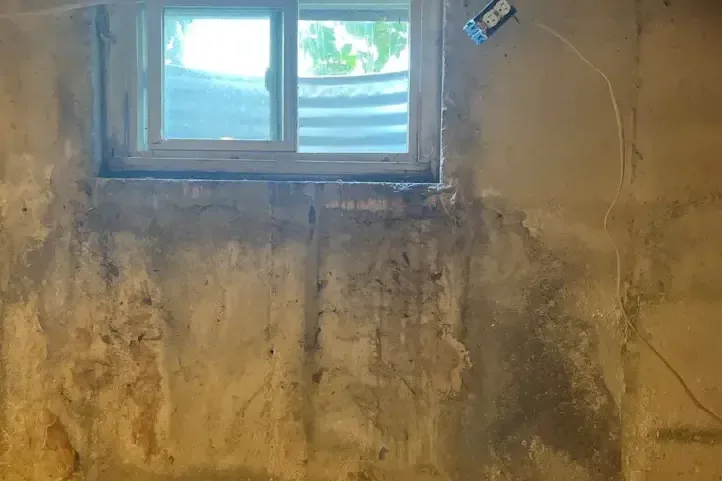 Basement Flooding CleanupLower floors cleared of water, wet pad pulled, drywall trimmed above the stain line and the concrete dried until meters agree.View service
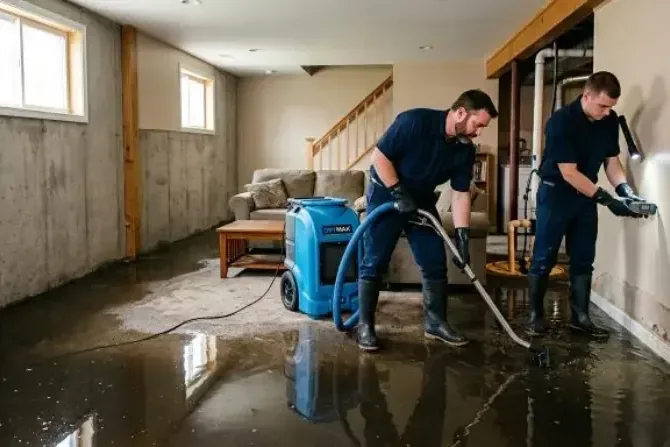 Sump Pump Failure CleanupA stalled pump, a jammed float or a storm outage lets the pit spill over; the water is removed and the space dried.View service
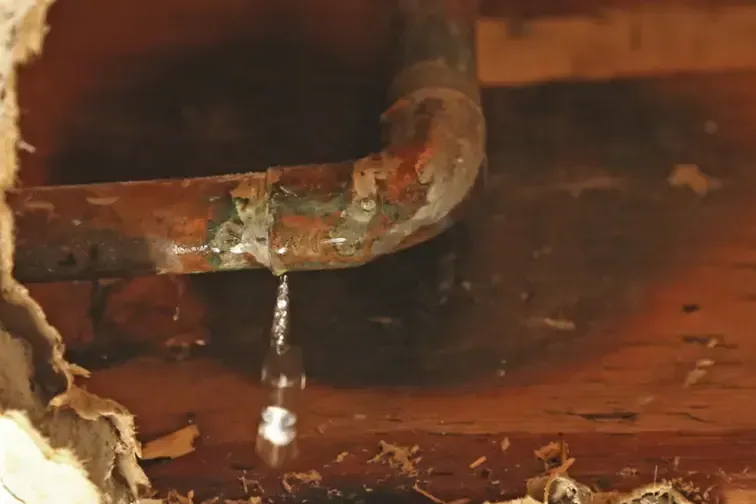
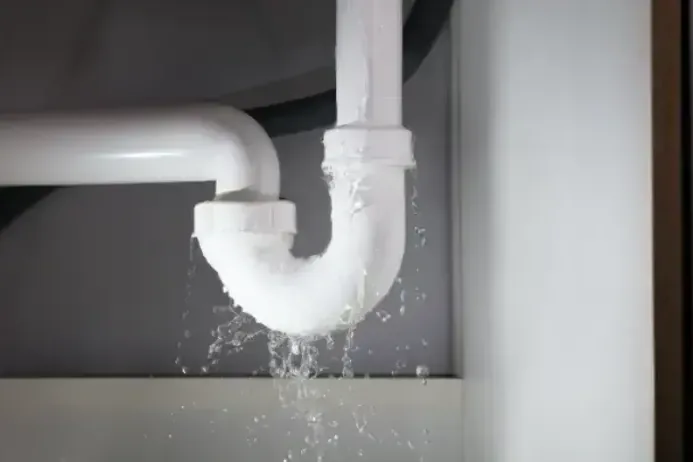 Burst Pipe Water DamageA supply line that splits inside a wall or ceiling gets the cavity opened where needed and every damp surface measured.View service
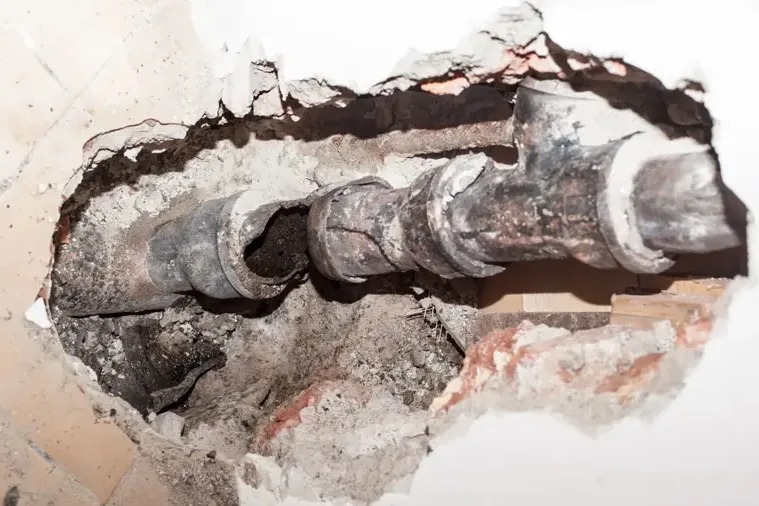 Frozen Pipe Water DamagePipes along outside walls and in garages that crack during deep cold, then let water loose as the ice melts.View service
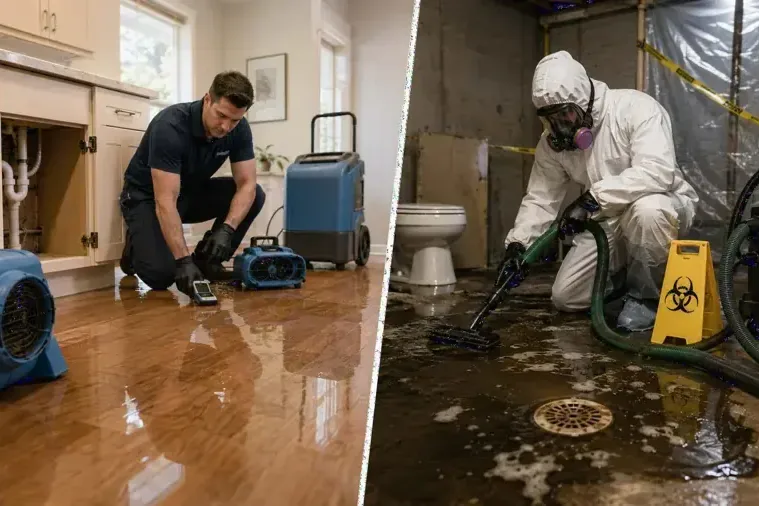 Sewage Backup CleanupToilet and drain backflow treated as Category 3, with soft materials bagged out and hard surfaces cleaned and disinfected.View service
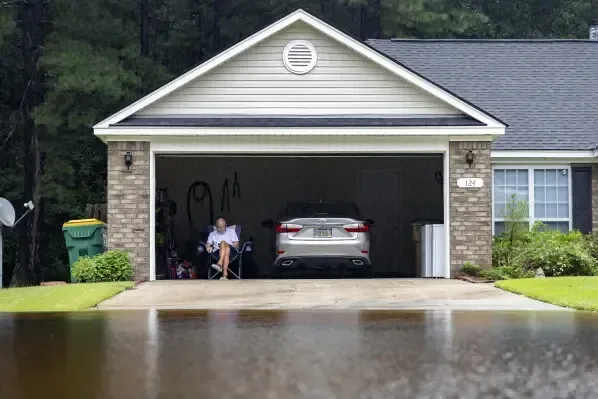 Storm and Flash Flood CleanupRain runoff that gets in through doors, garages or window wells is handled as contaminated water, then removed and dried.View service
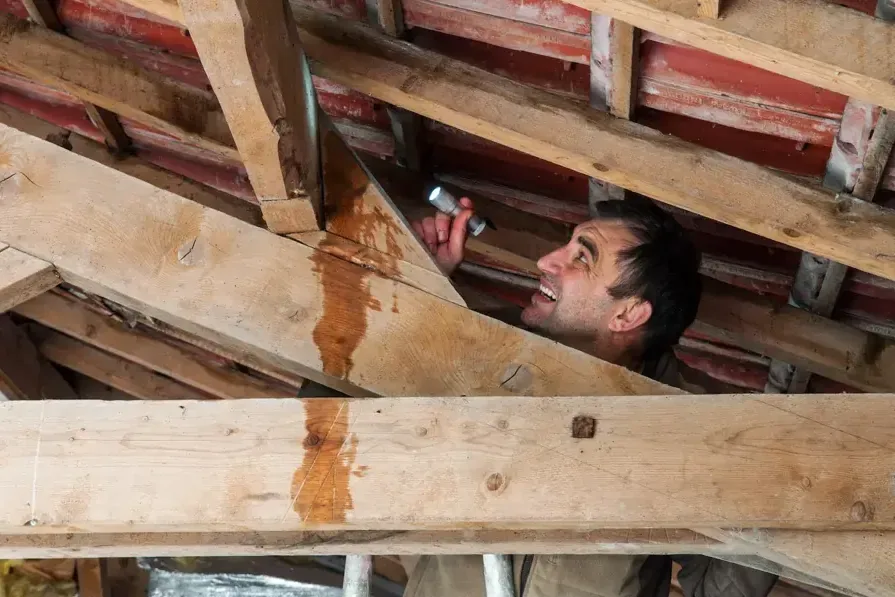 Roof Leak Water DamageLeaks from hail, wind or ice dams followed from the decking down, soggy attic insulation removed and the rafters dried.View service
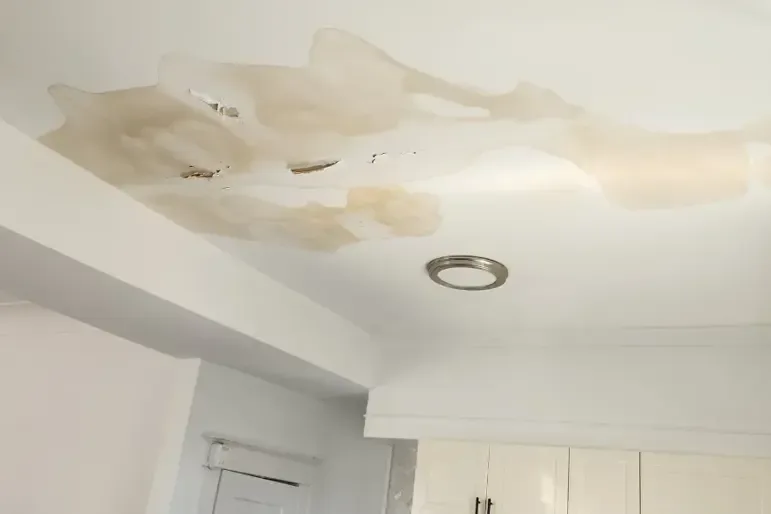
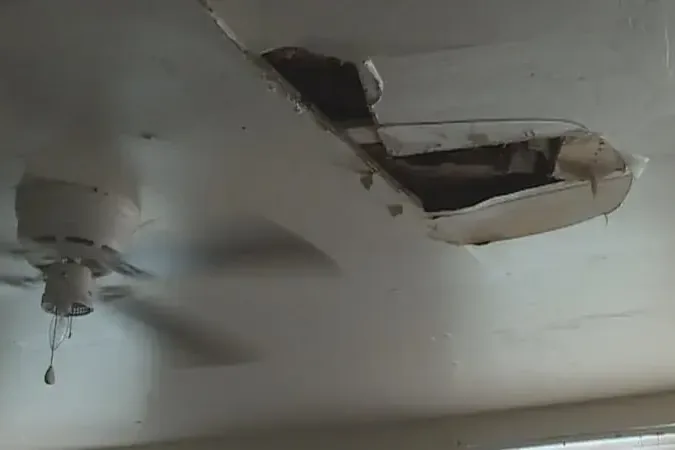 Ceiling Leak Water DamageBathroom, drain and supply leaks from the floor above tracked down, a drooping ceiling drained safely and the joists dried.View service
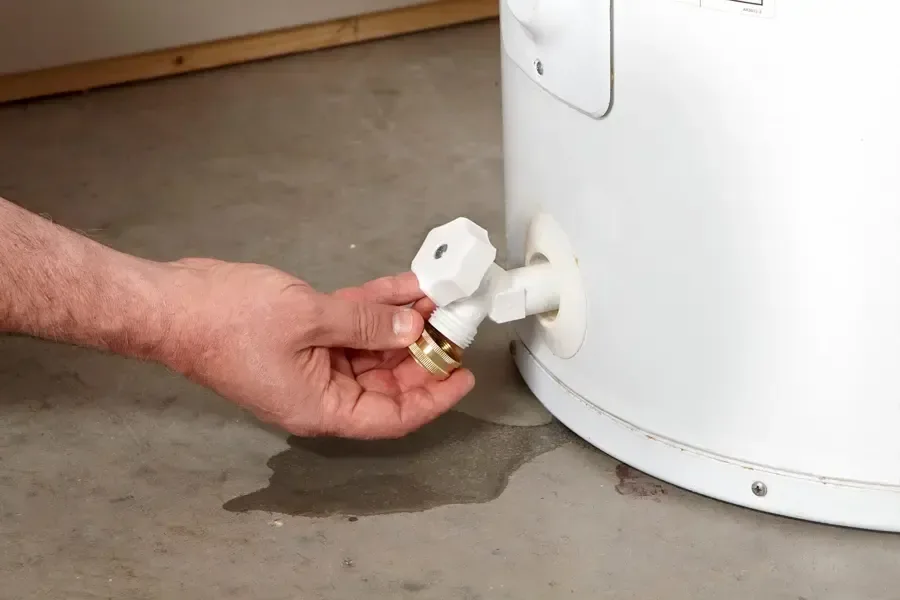 Water Heater Leak CleanupA tank failure floods the floor, the walls beside it and any stored boxes, so the water is pulled up and the area dried quickly.View service
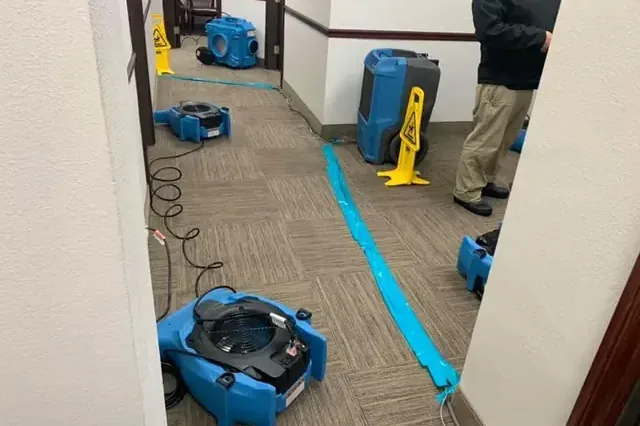
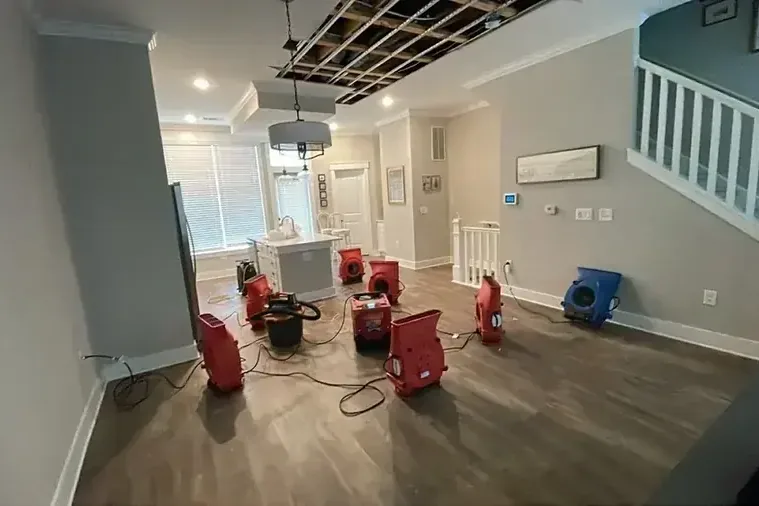 Structural Drying and DehumidificationFraming, subfloor and slab dried with air movers and LGR units until readings land within 2 to 4 points of a dry reference.View service
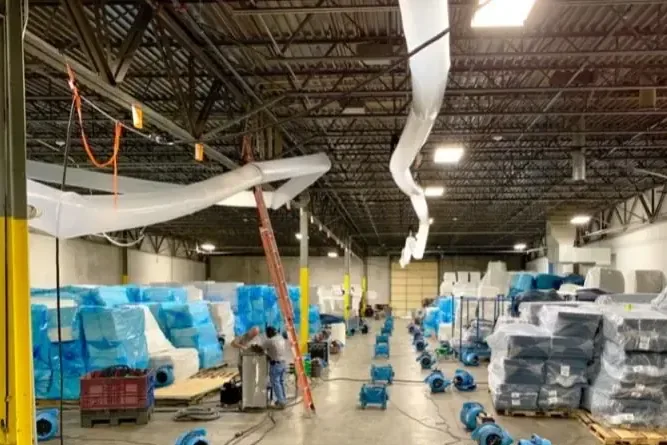 Commercial Water DamageStorefronts, offices and apartment buildings dried a section at a time, so the dry parts can stay in use.View service
Round-the-clock water damage dispatch for Gladstone, MO
A single call gets a crew rolling at any hour
Coverage takes in houses and businesses along both sides of North Oak Trafficway, from the southern panhandle through the rest of town, and the surrounding Clay County cities.
(888) 603-7319Get a crew routed to the addressWhy readings, not looks, decide when a room is dry
Moisture settles into pad, baseboard gaps and the framing behind drywall, so a room can look finished while the structure is still wet; meters, logs and photos settle the question.
- Treated as urgent, any day. A leak on a holiday weekend gets the same push as one on a weekday morning, since wet drywall and subfloor keep soaking up water until it is extracted.
- Gear matched to the loss. How many air movers and LGR dehumidifiers go in each room follows the IICRC S500 class of loss, so the setup is calculated rather than eyeballed.
- A file an adjuster can read. Moisture maps, daily psychrometric records and dated photos shot before any tear-out tell the story of the loss from the first visit to the last.
- The source comes first. Supply lines, drains, the water heater and any sump pit are checked early, because where the water started sets its category and the whole plan.
Five moves that limit damage before the crew arrives
- Shut the water off. Turn the main valve if you can reach it safely, then open a low faucet to bleed pressure from the pipes.
- Keep electricity clear. Flip breakers for soaked rooms only if you can stand on a dry floor at the panel; otherwise leave it for the crew.
- Leave the drains alone. When water rose from a drain or toilet, pause the washer, dishwasher and showers until the line is flowing again.
- Rescue the movables. Carry rugs, boxes and electronics into a dry room, but leave wet drywall and carpet in place for the crew to assess.
- Record the scene. Shoot photos and short videos of each wet room and the source before anything is cleaned up.
How each dry-out runs, start to finish
Each job follows the IICRC S500 sequence: locate the source, chart the moisture, pull the water, dry with equipment sized to the room, and record readings every day until the goal is met.
Source and moisture map
A technician locates where the water came from, assigns its category and charts how far it spread using pinless meters and an infrared camera.
Water removal
Truck-mounted and portable extractors take standing water off carpet, pad and concrete before a single air mover is switched on.
Equipment placement
Air movers and LGR dehumidifiers go in according to the class of loss, and soaked drywall is trimmed above the wick line where it has to be.
Daily checks to the finish
Each day the readings are logged, and the gear stays until materials sit within 2 to 4 points of a dry reference in the same building.
How the water source shapes the cleanup and the drying
Category 1: clean water
Supply lines, a split pipe or a leaking water heater. If caught quickly, carpet and walls can often be dried where they are.
Category 2: gray water
Washing machine discharge, a dishwasher overflow or a spilled sump pit. Pad is usually replaced and surfaces get an antimicrobial.
Category 3: black water
Sewage rising from a drain or toilet, or storm runoff from outside. Anything porous it soaked is taken out instead of dried.
What does water damage restoration cost in Gladstone, MO?
Most jobs land between $1,200 and $15,000 or more. Four things move the price: the water category, how many square feet got wet, the material class and how quickly drying began.
Single room, clean water
- Water pulled up and dried
- Pad and trim inspected
- About 3 to 4 days of drying
Finished lower level
- Drywall cut above the stain line
- Wet pad hauled out
- Slab and studs dried with LGR units
Sewage or storm runoff
- Category 3 containment set up
- Porous materials bagged out
- EPA-registered antimicrobial applied
These are typical ranges, not a quote. For a closer figure, try the water damage cost calculator; the on-site walkthrough and moisture map set the real scope.
What the insurance file contains
An adjuster wants evidence of what got wet, how wet it was and for how long, and the restoration team records all of it while the work is underway.
- Room-by-room moisture maps
- Psychrometric records and meter readings for each day
- Dated photos shot before any tear-out
- The water category and class of loss on paper
- An itemized scope listing every task
Read the policy first
A sudden, accidental loss such as a split pipe or a failed water heater is often covered. Outside flood water and drain or sump backups are normally handled under separate terms.
Backup coverage for sewers and sump pumps is frequently an add-on endorsement, so check the policy or call your own insurer before counting on it.
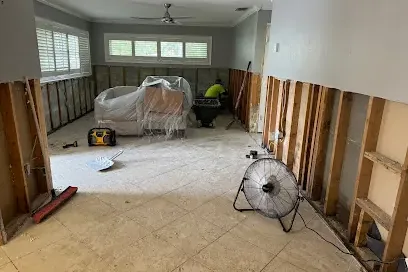
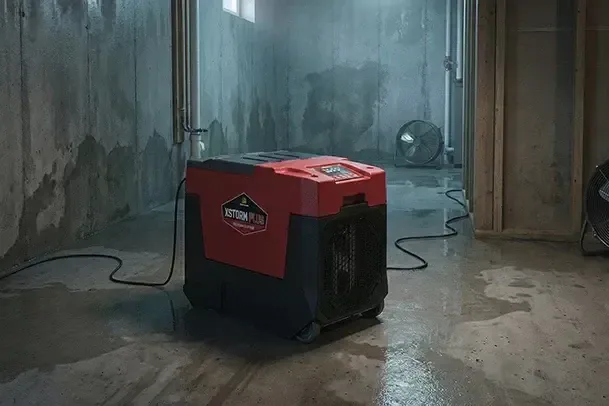
Drying equipment and wet materials, seen up close
Water damage coverage across Gladstone and Clay County
County served
Crews are sent out from the Liberty base. Give the street name or the closest intersection when the call starts.
Streets and corridors
What drives water damage in Gladstone homes
Gladstone took shape from a settlement known as Linden and voted to incorporate in November 1952. By 2020 it held 27,063 people in 11,858 households, so most losses involve houses and small shops set close together.
Breaks in the street main
Repairing a broken street main falls to the water utility, as the 4-inch break near North Forest Avenue showed. Once that water gets into a house or a lower level, it is extracted and dried like any other loss.
Supply lines and fixtures
Lines under sinks, toilet connectors and washing machine hoses can fail with no warning. Clean water that is caught early can usually be dried in place, which is how quick extraction saves walls and floors.
Water heaters and appliances
A worn-out water heater can dump an entire tank onto the floor, while dishwasher and refrigerator lines tend to drip slowly under cabinets until the damage finally shows.
Deep cold and spring storms
Kansas City area winters bring hard freezes that crack pipes in outside walls and garages, and spring storms drive runoff toward doors, garages and window wells.
Shops along North Oak Trafficway
Much of the area's shopping lines North Oak Trafficway, where shops and offices share walls and ceilings, so a commercial loss is dried section by section to keep open space usable.
Street main break
KC Water reported that a 4-inch main broke at Northeast Shady Lane Drive and North Forest Avenue, affecting 17 customers until crews completed the repair.
Water damage questions from Gladstone homeowners
Is water still moving through the house?
Come back to these answers later. Close the main if you safely can, keep out of standing water and get extraction underway.
(888) 603-7319 Talk through the leak nowHow quickly does a crew get moving here?
Any active water is handled as urgent, including nights, weekends and holidays. Dispatch operates 24/7 and gives an arrival window on the first call. Every hour saved before extraction means more drywall, pad and framing get dried rather than torn out.
What can be done before the crew shows up?
If the main valve is safe to reach, close it. Cut power to wet rooms only from dry footing, and keep people and pets out of standing water. Lift rugs and boxes, photograph every wet room and leave damp drywall where it is.
Who fixes a main break out in the street?
The water utility repairs breaks in street mains, like the 4-inch break KC Water reported that affected 17 customers. Any water that gets inside a home is the owner's to dry, and that is the part the restoration team takes on.
How many days does drying take?
Most clean-water jobs dry in three to five days after extraction, and thick concrete, plaster or hardwood take longer. The finish line is a meter reading within 2 to 4 points of a dry reference, not a date on the calendar.
What is the IICRC S500 standard?
S500 is the restoration industry's written standard for water damage. It explains how to judge the water category and the class of loss, how to size the equipment and how to confirm drying with moisture readings instead of by feel.
When is drywall removed instead of dried?
It comes out after contact with Category 3 water, when it stays wet beyond the 24 to 48 hour window in which mold growth can start, or when the insulation behind it is saturated. Drywall wet with clean water and reached quickly can often stay.
Why is sewage handled differently than a pipe leak?
Sewage counts as Category 3 from the first moment, so crews wear PPE, take out porous materials above the waterline and apply an EPA-registered antimicrobial for its full dwell time. Clean water from a split pipe usually dries in place.
Does homeowners insurance cover water damage?
Sudden, accidental water such as a split pipe is often covered. Outside flood water and sewer or sump backups are usually excluded or require an endorsement. Policies differ, so confirm with your own insurer before work begins.
What sets the price of a dry-out?
Price follows the water category, the wet square footage, the material class and how fast drying began. One clean-water room caught early costs far less than a finished lower level hit by sewage. The cost calculator shows a typical range.
Can a frozen pipe start leaking days later?
It can. A hard freeze may crack a pipe in an outside wall or garage, and the ice holds the water back until it melts. Then the leak runs inside the wall, so watch the water meter and check baseboards after any deep cold.
Water across the floor or inside a wall? Start the drying tonight.
Standing water keeps traveling. The response team removes it, dries the structure and documents the loss anywhere in Clay County.
(888) 603-7319Get the drying crew scheduled