Water Damage Restoration Kearney, MO
When water gets into a Kearney home or business, the drying team removes the standing water, opens what is soaked and dries the structure until moisture readings confirm it is done.
(888) 603-7319Call for help with the water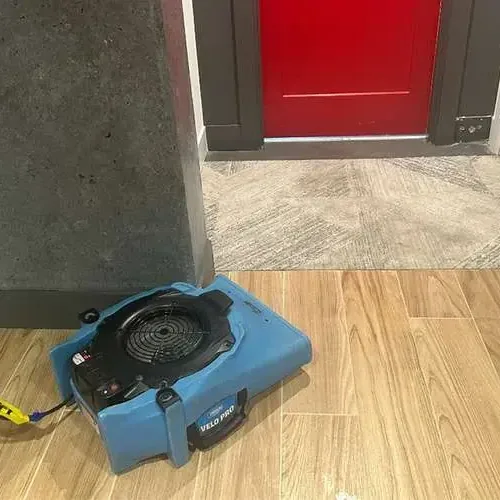
Services for every kind of water loss
From a supply pipe that let go to a storm that pushed water in, the job starts with stopping the source and ends with a dry, documented structure.
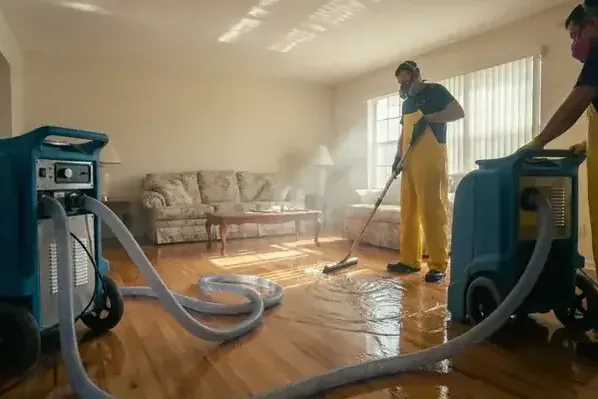 Water Extraction and RemovalPumps and extraction wands pull standing water off floors before it wicks into baseboards, subfloors and the lower wall cavities.View service
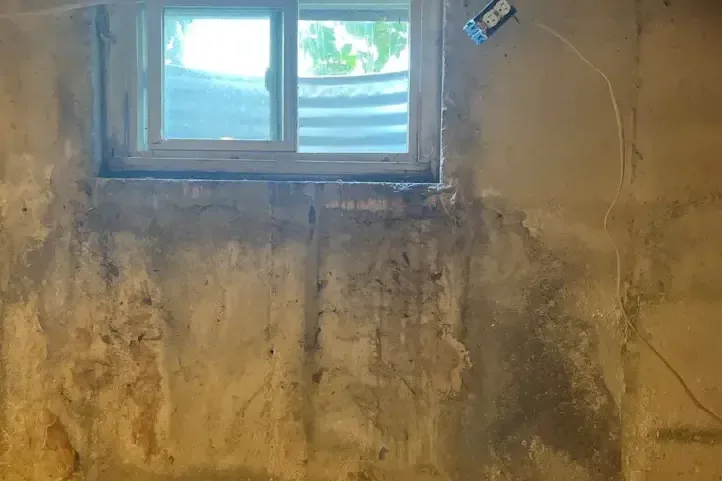 Basement Flooding CleanupWhere a home has a basement, work starts at the entry point, then moves on to pumping and drying.View service
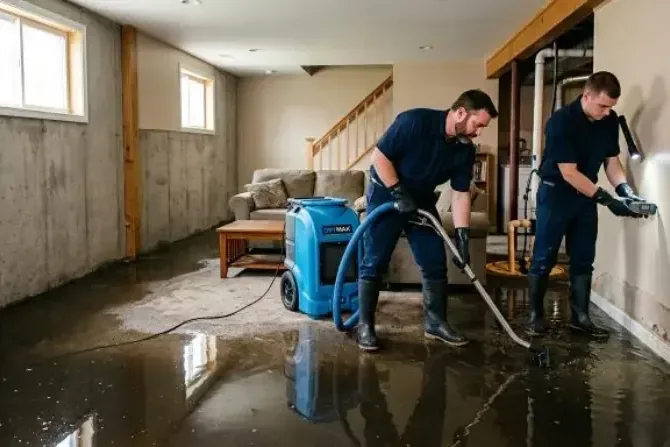 Sump Pump Failure CleanupA failed pump or blocked discharge lets a sump pit overflow, so the cleanup covers wet finishes and a pump check.View service
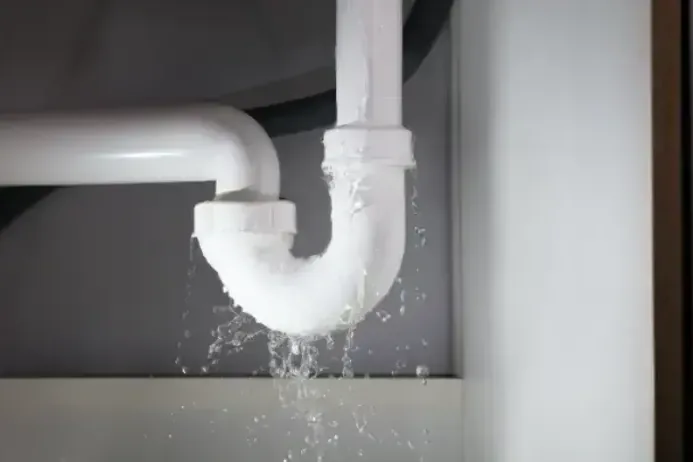 Burst Pipe Water DamageA split supply pipe can soak a wall fast, so the shutoff comes first, then extraction and drying.View service
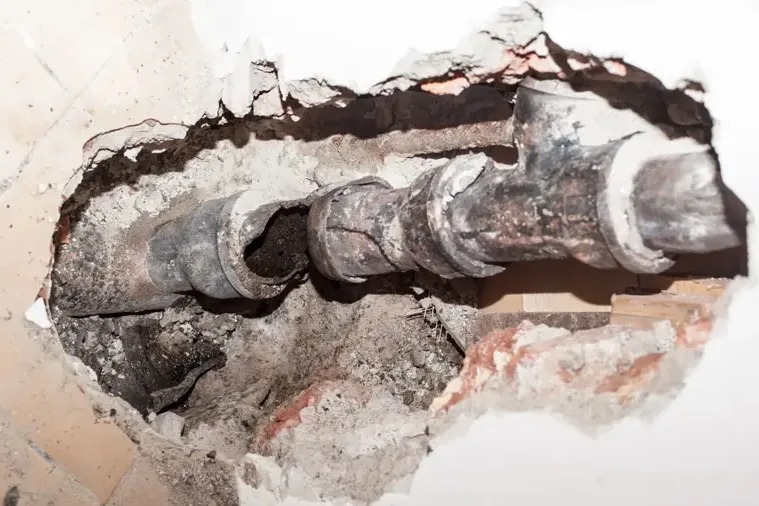 Frozen Pipe Water DamageA pipe that froze may only show its damage once it thaws. The crew traces the leak, removes the water and dries the wall.View service
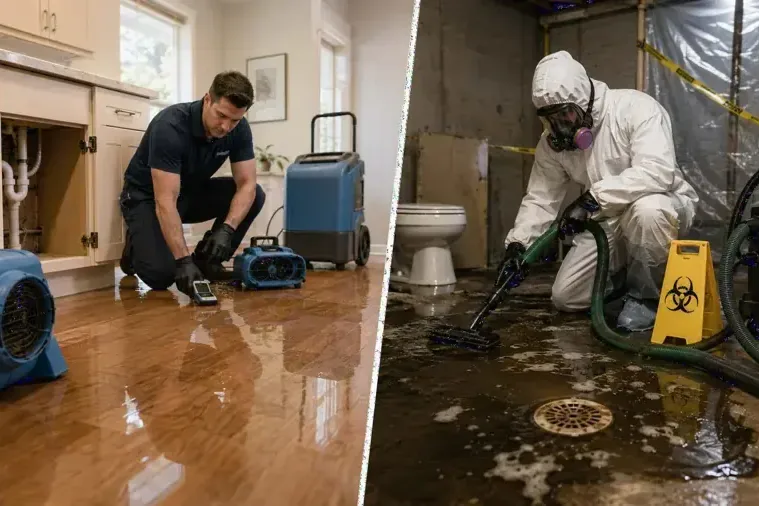 Sewage Backup CleanupSewage is a contamination problem, so soaked porous materials come out and the area is cleaned and disinfected before rebuilding.View service
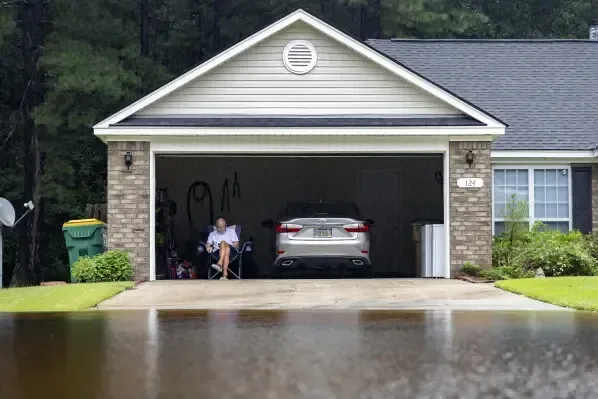 Storm and Flash Flood CleanupStorm water and runoff that reach a garage or living space are pumped out, then the surfaces are cleaned and dried.View service
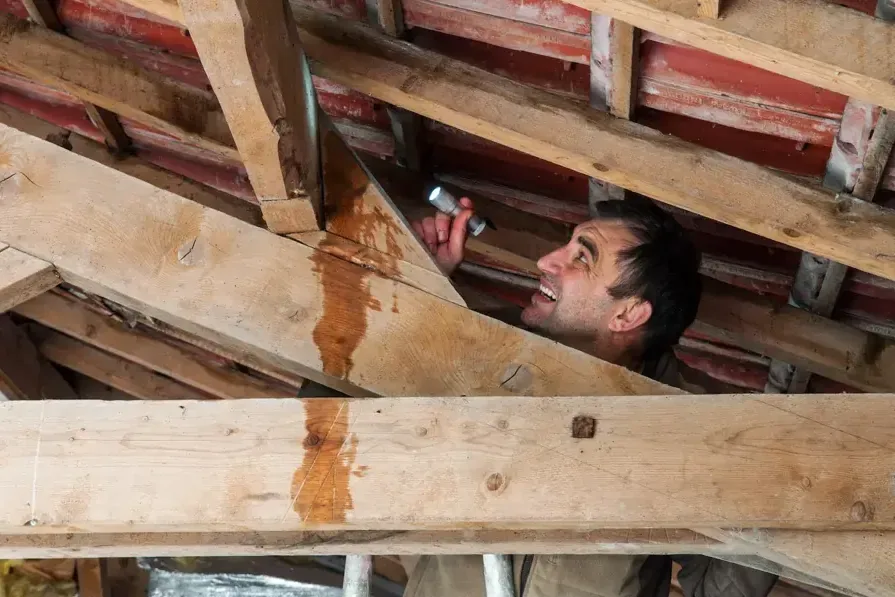 Roof Leak Water DamageAfter a storm damages a roof, water runs through the attic and into ceilings. The work dries everything the leak soaked.View service
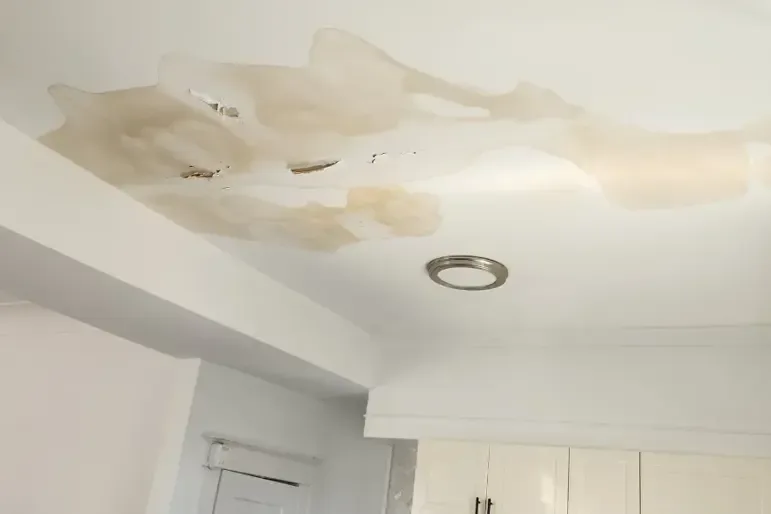
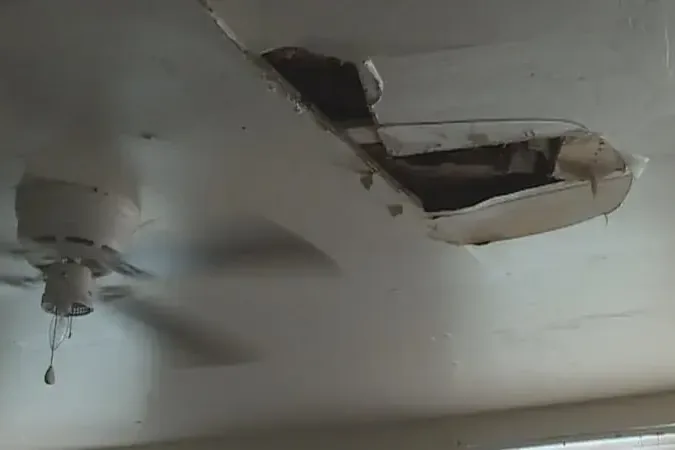 Ceiling Leak Water DamageA stained or sagging ceiling can point to a roof, a fixture or a drain above. Wet drywall and insulation get opened and dried.View service
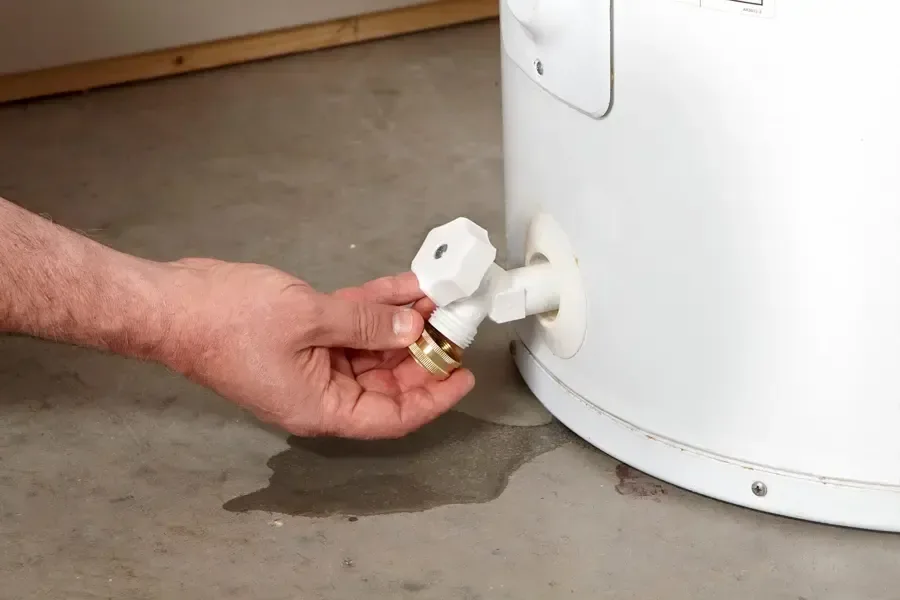 Water Heater Leak CleanupA tank that drips or lets go all at once is dried out around the unit once the supply to it is shut off.View service
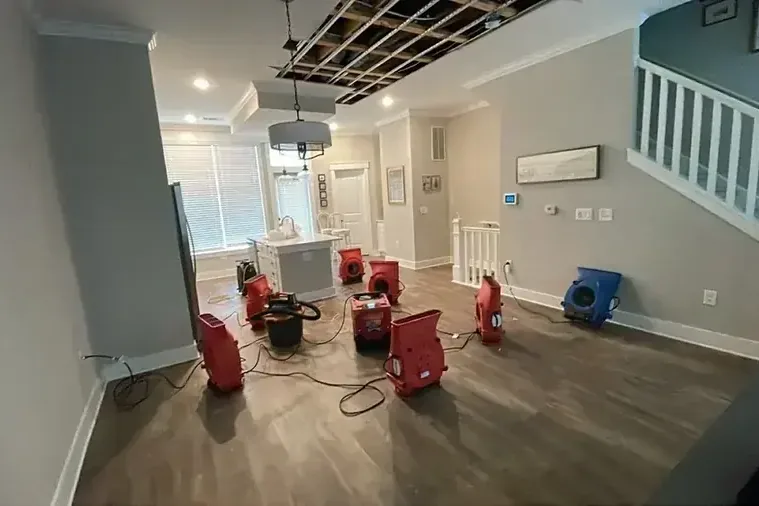 Structural Drying and DehumidificationAir movers and dehumidifiers work through wet framing and subfloors until the readings show the structure is dry.View service
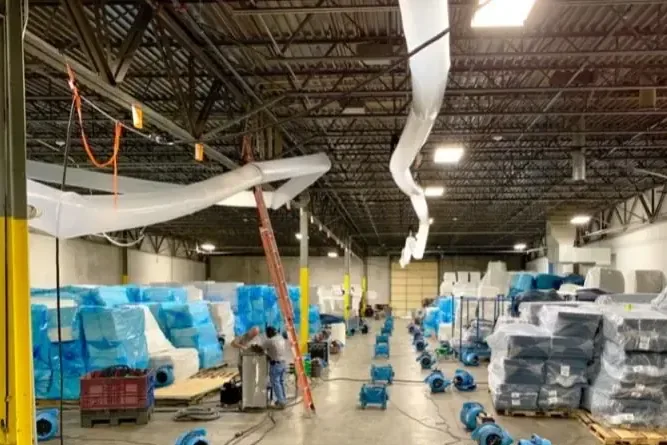 Commercial Water DamageOffices, shops and public buildings get a drying plan built to limit downtime.View service
Round-the-clock water damage dispatch for Kearney, MO
Water in the house right now? Call before it spreads
Whether the water came from a split pipe, a failed pump or a storm, the restoration team starts by finding the source and measuring how far it spread.
(888) 603-7319Call to book the drying crewWhat separates a dry house from a damp one
Surface drying hides trouble. Wet framing and subfloors stay damp unless readings and equipment drive the moisture out, and the numbers are recorded as proof.
- Meters, not guesses. Moisture meters and thermal imaging find water behind walls and under floors that the eye cannot see, so no wet cavity is missed.
- Equipment sized to the room. Air movers and dehumidifiers are chosen for the number of wet rooms, the materials in them and the humidity that day.
- Readings you can follow. Daily readings are logged so everyone can see the structure moving toward dry, and equipment stays until the numbers say it can go.
- Records for the claim. Photos, moisture logs and equipment notes support an insurance claim from the first call to the final reading, with nothing left to reconstruct later.
What to do the moment you see water
- Stop the source. Shut off the main or the fixture valve if it is safe, and leave the area if water is near outlets or a panel.
- Protect the people. Keep children and pets out of wet rooms, and treat any water that came from a toilet or drain as contaminated.
- Move what you can. Lift small furniture, rugs and electronics onto dry surfaces, and leave heavy pieces where they stand.
- Photograph everything. Take clear photos and short videos of the water, the damage and the soaked belongings before cleanup begins.
- Call for removal. Call now so extraction and drying can begin, since wet drywall and flooring start to break down quickly.
Dry means measured, not guessed
A finished job is one where readings from the wet areas match readings from dry materials in the same home. The drying team logs each visit so progress is visible.
Assess and map
Moisture meters and thermal imaging trace the water from the visible stain to the hidden edges of the loss.
Extract
Pumps and wands remove standing water, then carpet and pad are lifted and hauled out where they cannot be saved.
Dry
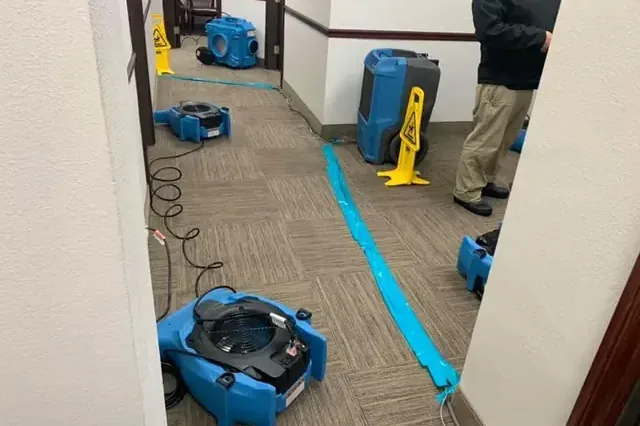
Air movers and dehumidifiers run while the team rechecks readings and moves equipment as the wet areas shrink.
Verify and document
Final readings are compared against dry materials, and the photos and logs are packaged for the insurance claim and the homeowner's own files.
Three water problems that call for fast action
Supply pipe failures
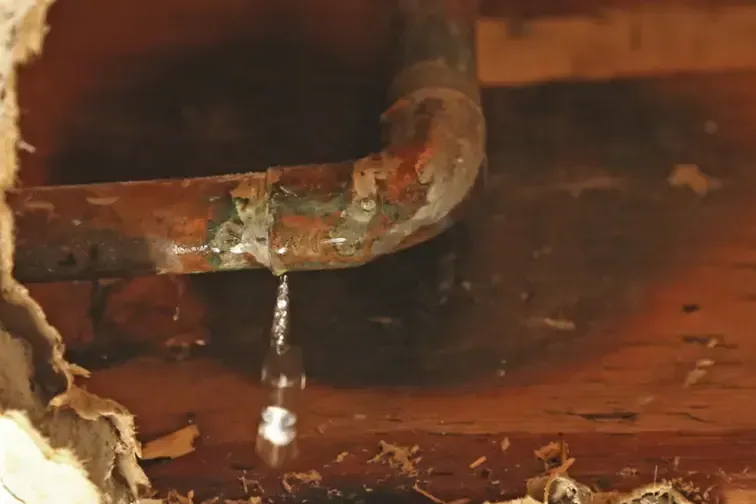
A split pipe or failed joint releases water inside walls and ceilings, often where no one sees it right away.
Spring and summer storms
Most severe weather around Kearney arrives in spring and summer, so runoff and roof leaks cluster in those months.
Sewage backups
Contaminated water needs protective gear, removal of soaked porous materials and disinfection before the room is dried.
What water damage restoration costs
Most water damage jobs land between $1,200 and $15,000 or more, depending on how much water there is, which materials got wet and whether the water was clean or contaminated.
One room, clean water
- Water pumped out
- Wet pad lifted and removed
- Readings logged
Larger area, clean water
- Several rooms dried
- Drywall opened as needed
- Daily moisture checks
Sewage, larger area
- Contaminated materials removed
- Surfaces disinfected
- Full drying
These ranges are typical, not quotes. An assessment with moisture readings sets the real scope, and an insurance adjuster can confirm what a policy pays for.
Working with your insurer
A water damage claim goes smoother with good records. The restoration team documents the loss as the work happens, so the adjuster sees the same facts.
- Date, time and cause of the water loss
- Photos and video taken before any cleanup
- Moisture readings from every wet room
- A written list of damaged belongings
- Receipts for emergency repairs and supplies
If you file yourself
Call the insurer promptly, describe the damage plainly and ask what the policy covers for water, sewage and storm losses before choosing a repair path.
Keep damaged items until the adjuster has seen them, and do not throw out flooring or drywall that has not been photographed.
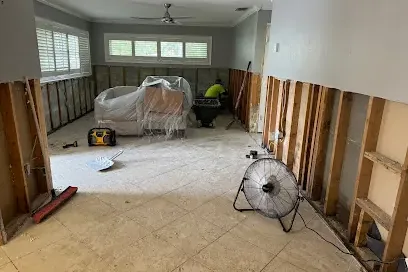
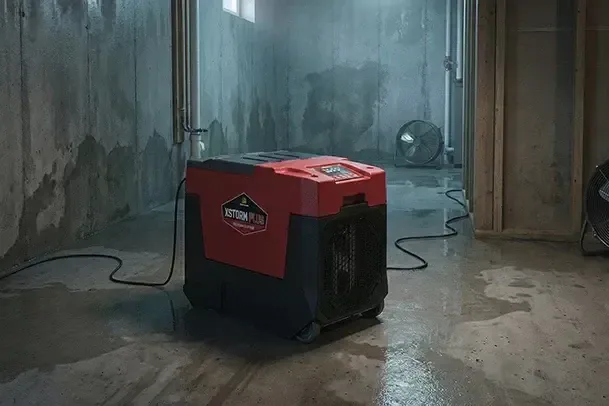
What water damage and the drying process look like
Water damage work across Kearney
ZIP code served
Homes and businesses throughout Clay County's north central corner get the same documented process, from first extraction to final readings.
Places the work covers
Nearby towns
What shapes water damage risk in Kearney
Kearney is described as lying in Tornado Alley, where most severe weather arrives in spring and summer. Cold, snowy winters add a second water season, and humid summers slow drying.
Spring and summer storms
Most of the area's severe weather comes in spring and summer. Roof damage, wind-driven rain and runoff often follow those storms, and water can enter at the roof and at ground level in the same event.
Cold, snowy winters
Freezing weather can split a pipe, and the leak often shows up only when the pipe thaws and water starts running into the wall or ceiling below. Pipes in unheated spaces and exterior walls are the usual suspects.
Humid summer air
Humid air slows drying and gives damp materials time to turn musty, so dehumidifiers matter as much as air movers do. Summer jobs often run longer because the air itself holds so much moisture.
Water heaters and supply pipes
A water heater can drip for weeks or release its tank at once, and a failed supply pipe can soak a wall before anyone notices. Age, sediment and corrosion are the usual reasons these parts give out.
Drain and sewage backups
Heavy rain can overload drains and push water back into a home, and any water that comes up from a drain is treated as contaminated. Those jobs call for protective gear, removal of soaked materials and disinfection.
2020 census
Kearney's census count grew from 8,381 in 2010 to 10,404 in 2020, and each added home brought more roofs, water heaters and supply pipes into service.
Water damage questions, plain answers
Water in your house right now?
Standing water, a wet ceiling or a sewage smell all call for quick action. A call now gets the extraction and drying plan started.
(888) 603-7319 Call about water damageHow fast should water be removed after a leak?
As soon as it is safe. Wet drywall, padding and subfloors start to break down quickly, and the 24 to 48 hour window is when mold gets its foothold, so extraction and drying should begin right away.
Does homeowners insurance cover water damage?
Coverage depends on the policy and the cause. Sudden events such as a burst pipe are commonly covered, while gradual leaks and flood water often are not. The insurer makes the final call, and photos plus moisture logs support the claim.
What does restoration cost in Kearney?
Typical jobs run from $1,200 for one clean-water room to $15,000 or more for sewage across a larger area. Moisture readings and the materials that got wet decide where a job lands. Each estimate is built on readings taken at the property.
Is sewage water different from other water?
Yes. Water from a drain or toilet counts as contaminated, so carpet, pad and drywall it touched are removed and discarded, and the surfaces are cleaned and disinfected before drying starts. See sewage backup cleanup.
Can I stay home during drying?
Often yes, when the water was clean and the work is limited to a few rooms. Air movers and dehumidifiers are loud, and sewage or a large loss may call for staying elsewhere until the area is clean.
How long does structural drying take?
Most jobs need several days, depending on the materials, the humidity and how far the water spread. The team checks readings at each visit and removes equipment only when the structure reads dry, not before.
What should I do while waiting for help?
Shut off the water at the main or the fixture valve if it is safe, switch off power to wet areas, lift small items off wet floors and take photos. Leave soaked materials in place for the adjuster.
Do spring storms cause most water damage here?
Storms are a major cause. Most severe weather in the area comes in spring and summer, so roof leaks, wind-driven rain and runoff are common then, while winter freezes add burst and frozen pipe losses. See storm flood cleanup.
Can wet carpet and drywall be saved?
Clean-water carpet and drywall can often be dried in place if the work starts quickly. Sewage-contaminated materials, and anything that stayed wet long enough to break down, are usually removed.
Is commercial water damage handled too?
Yes. Shops, offices and institutional buildings follow the same steps, with the schedule built around limiting downtime for staff and visitors. See commercial water damage.
A wet house will not dry itself, so get removal and drying started
Kearney homes and businesses can call at any hour, and the restoration team begins with the source and the standing water.
(888) 603-7319Call for water removal