Water Damage Restoration Smithville, MO
Whether a pipe split overnight, a water heater emptied onto the floor or storm runoff found a way inside, the work opens the same way: extract the standing water, then dry the structure until the meters agree.
(888) 603-7319Put a drying crew on the job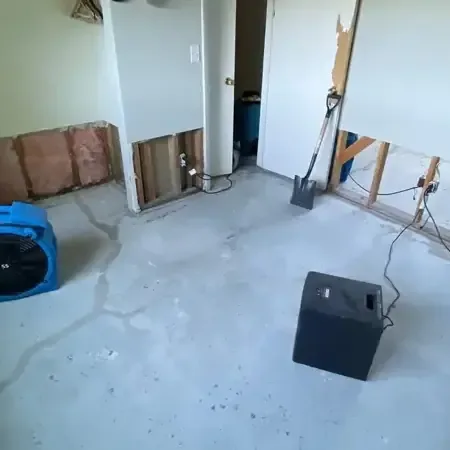
Twelve kinds of water damage, one drying plan
From a leaking water heater to a flooded storefront, the work follows the cause of the water, because the source decides what must be removed, dried or sanitized.
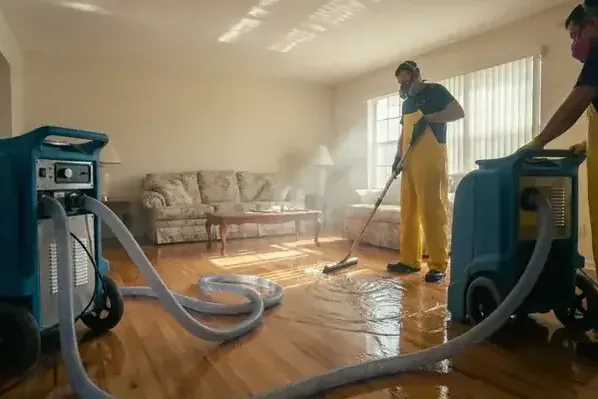 Water Extraction and RemovalPumps and extractors pull standing water out of carpet, flooring and low spots before moisture travels into drywall and framing.View service
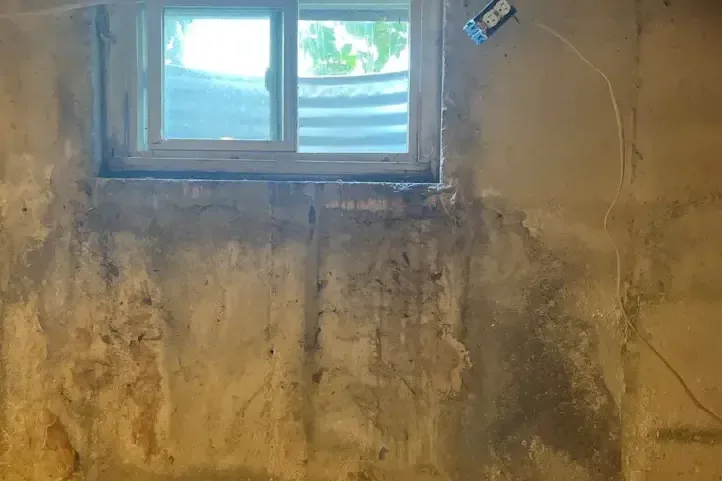 Basement Flooding CleanupWhen water reaches a lower level, the source is stopped, then the space is pumped out, opened where needed and dried.View service
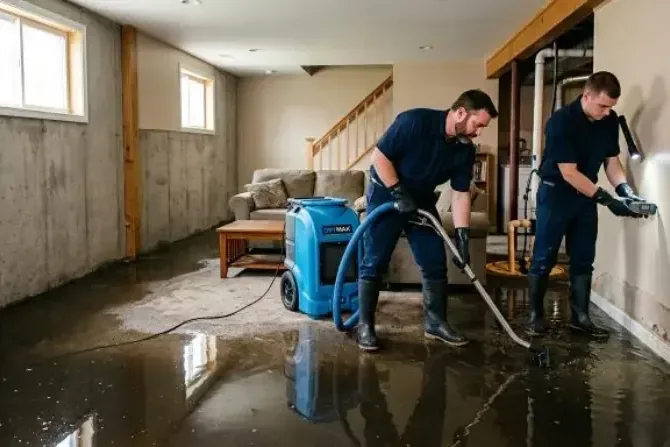 Sump Pump Failure CleanupA pump that quits during heavy rain lets water collect fast. Cleanup means removal, drying and checking what the water touched.View service
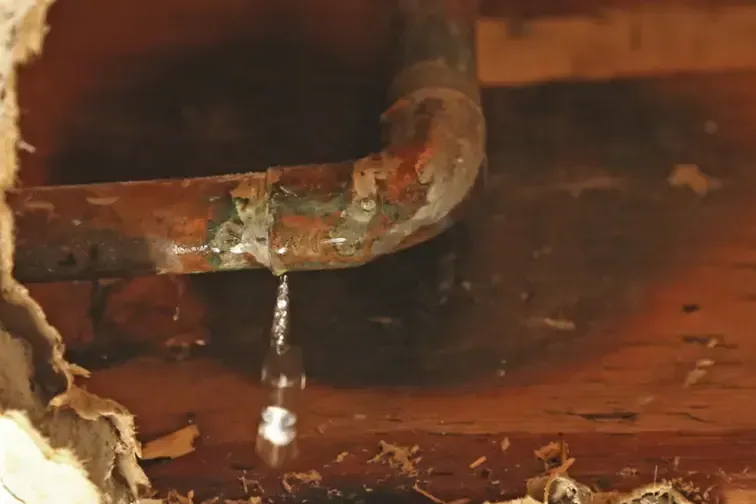
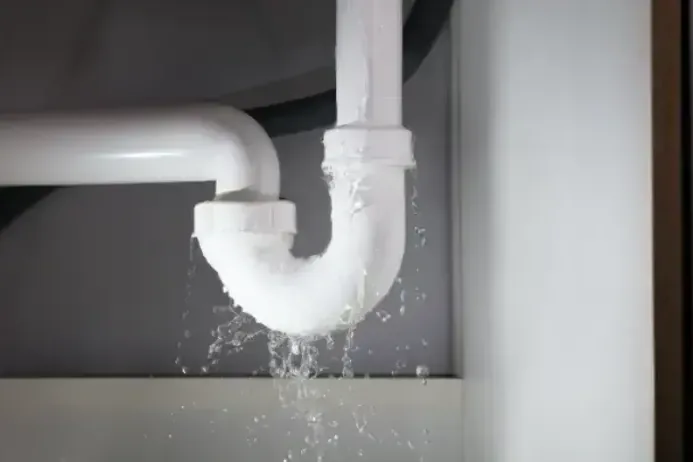 Burst Pipe Water DamageA split pipe can soak a wall, the ceiling below and the floor. The water is shut off, removed and the structure dried.View service
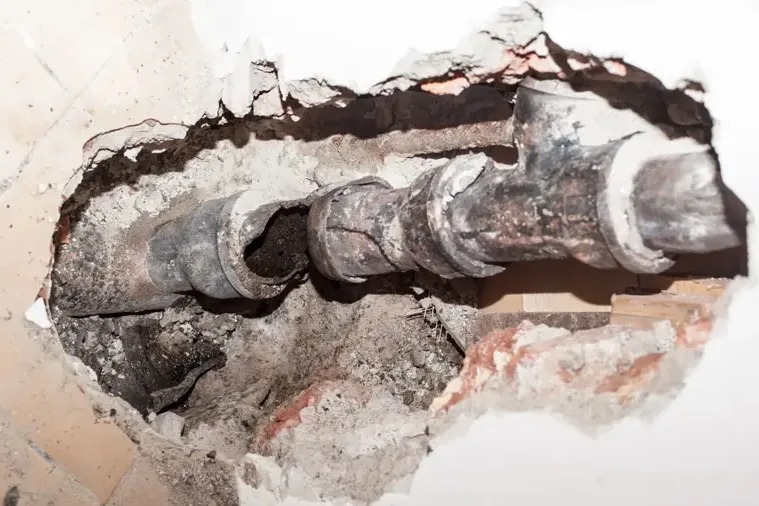 Frozen Pipe Water DamageFrozen pipes often show damage at the thaw, when water escapes inside the wall. Shutting the water off early limits spread.View service
 Sewage Backup CleanupSewage is a health matter. Contaminated materials are removed, the area is sanitized and porous items are replaced.View service
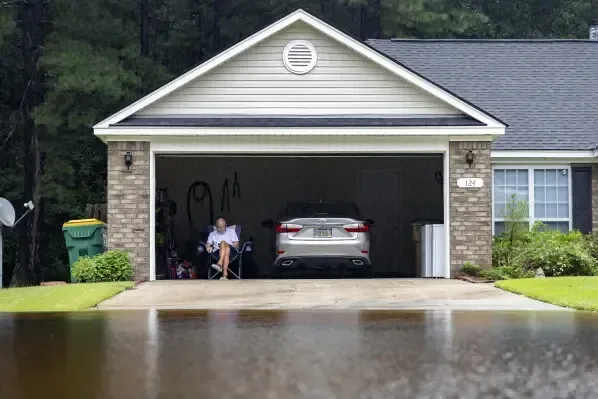 Storm and Flash Flood CleanupHeavy rain can push runoff into a garage or lower level. Extraction and drying start once the water can be reached safely.View service
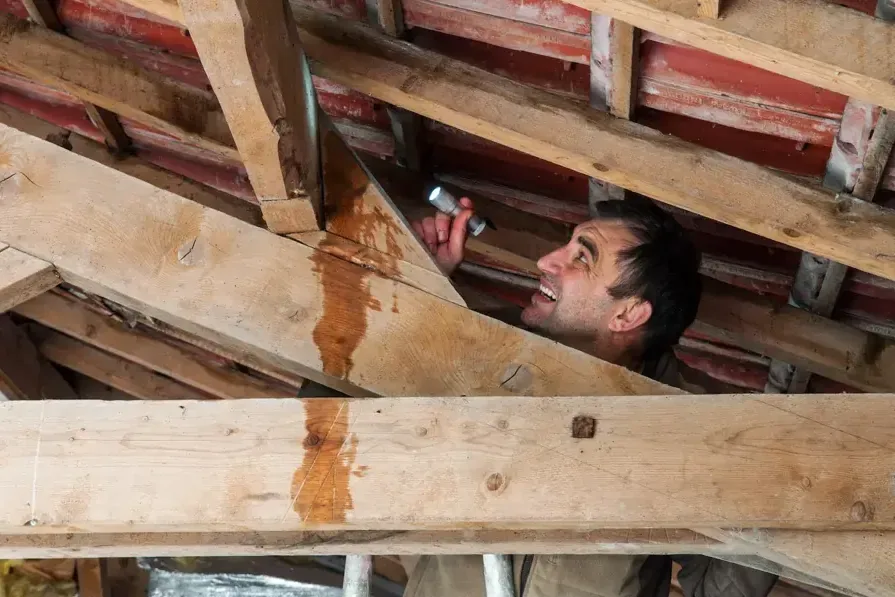 Roof Leak Water DamageRoof water soaks attic insulation before it stains a ceiling, so wet materials are found and dried, not only the visible spot.View service
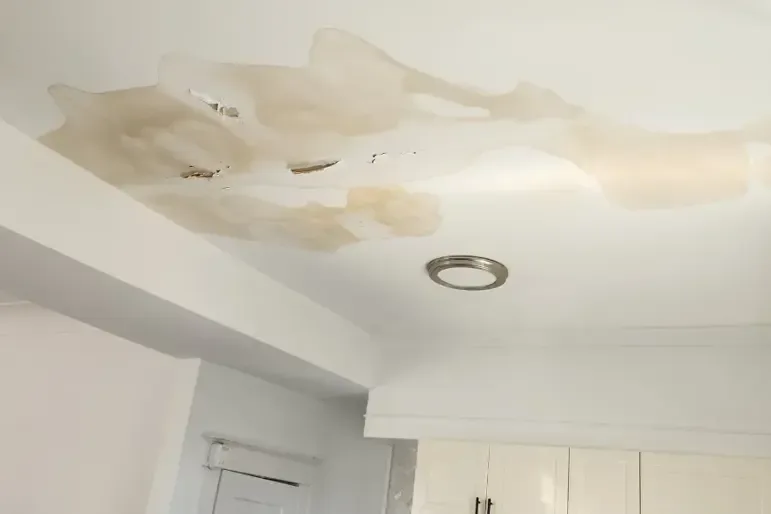
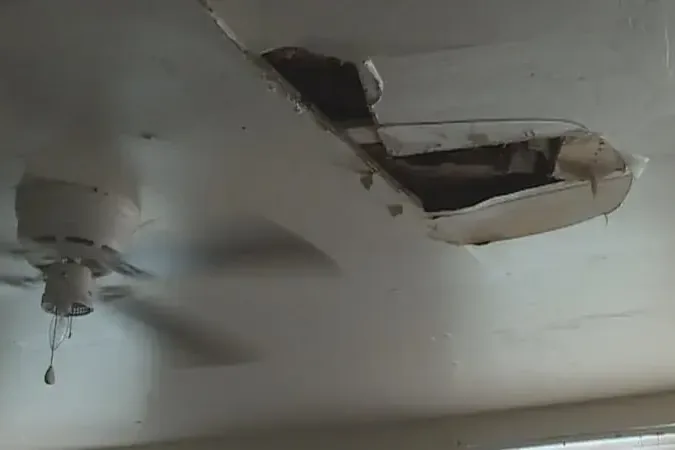 Ceiling Leak Water DamageA ceiling stain can come from the roof, an upstairs pipe or an appliance, so wet insulation and drywall above are checked.View service
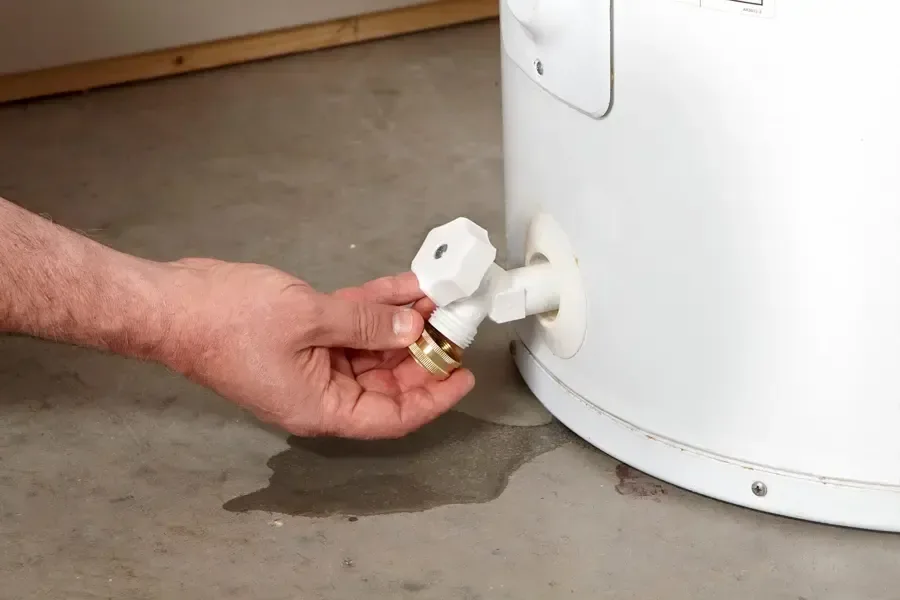 Water Heater Leak CleanupA failing tank can empty onto the floor. Power or gas and the water supply are shut off first, then the area is dried.View service
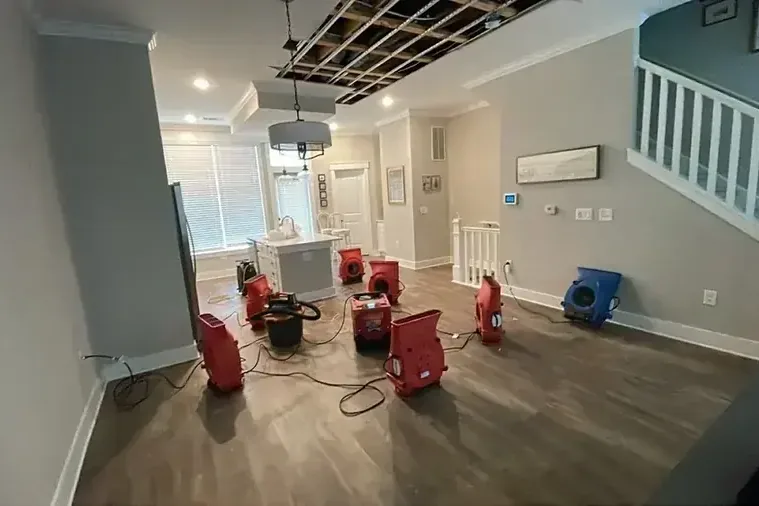 Structural Drying and DehumidificationMoisture left in framing, subfloors and drywall causes hidden damage, so readings continue until every material reaches a dry target.View service
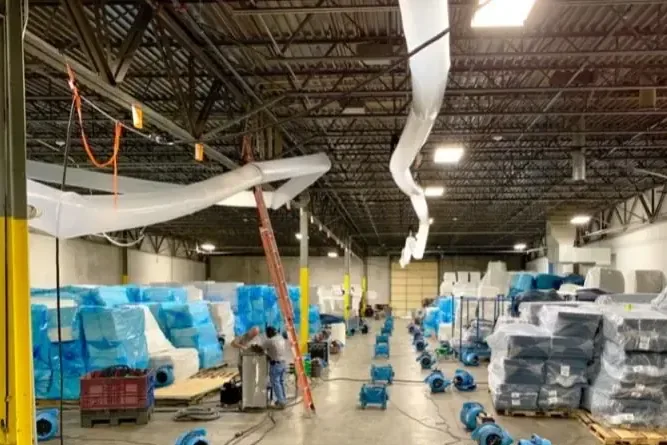 Commercial Water DamageStorefronts, offices and school buildings need fast drying to limit downtime, with equipment placed to keep the rest usable.View service
Round-the-clock water damage dispatch for Smithville, MO
Water keeps spreading, so the call comes first
Coverage reaches homes and businesses around Main Street, along Route DD toward the lake and on the west side by U.S. Route 169.
(888) 603-7319Send a crew to the propertyDrying is measured, not guessed
A floor that feels dry can still hold water in the subfloor and wall bottoms. Meters and thermal readings show where moisture remains, so nothing gets closed up wet.
- Moisture mapped first. Meters and a thermal camera trace water through walls and floors, so the drying plan covers wet areas the eye cannot see.
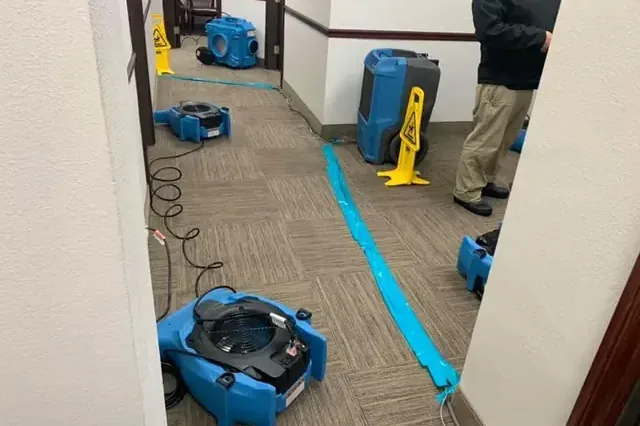
- Equipment sized to the room. Air movers and dehumidifiers are placed by how much water each room holds, then moved as the readings change.
- Daily readings recorded. Moisture numbers are logged during the job, so the point where drywall, wood and subfloor reach dry is clearly documented for the file.
- Ruined materials removed. Soaked pad, swollen baseboard and wet insulation come out instead of being dried, since they rarely recover once saturated.
What to do while waiting for the drying crew
- Stop the source. Shut the main valve or switch off the appliance feeding the leak so no more water reaches the floor.
- Switch off power. Cut breakers to wet rooms from a dry spot, and stay out of any room with standing water near outlets.
- Move what you can. Lift small furniture, rugs and boxes onto dry surfaces so they stop absorbing water from the floor.
- Photograph the damage. Take wide and close photos of every wet surface before anything is moved or thrown away.
- Request extraction. The sooner pumps start, the less water soaks into drywall, subfloors and framing.
A drying standard the crew follows from start to finish
Work follows the accepted industry method for water damage: identify the water category, remove the water, dry to target readings and confirm the result before equipment leaves.
Assess
The crew finds the source, identifies the water category and maps which rooms, floors and walls are wet before any equipment goes down.
Extract
Pumps and extractors remove standing water, then the wet pad and any ruined materials are carried out of the building.
Dry
Air movers and dehumidifiers run while moisture readings are taken on a schedule and the equipment is repositioned.
Verify and document
A final reading confirms each material reached its dry target, and the full set of records is saved for the insurance file.
Clean, gray and contaminated water get different handling
Clean water, Category 1
Water from a broken pipe or an overflowing tub starts clean but turns worse with time, so fast drying keeps the loss small.
Gray water, Category 2
Water from a failed pump or a washing machine hose carries some contamination, so soaked porous materials usually come out.
Black water, Category 3
Sewage and floodwater carry bacteria. Contaminated drywall, pad and insulation are removed and the area is sanitized.
What water damage cleanup usually costs
Most water damage jobs here land between $1,200 and $15,000, depending on how far the water spread, whether it was clean or contaminated, and how soon drying began.
One room, clean water
- Standing water extracted
- Floor and wall bottoms dried
- Moisture readings recorded
Several rooms or a lower level
- Wet pad and drywall removed
- Air movers and dehumidifiers run
- Daily drying checks
Sewage or contaminated water
- Containment and protective gear
- Porous materials discarded
- Area sanitized
Final pricing depends on the water category, the square footage affected and the materials involved, so these ranges are a starting point and not a quote.
What goes in the insurance file
Insurers ask what was damaged, how severe the moisture was and how the loss was handled, so the drying team keeps dated notes and photos from first reading to last.
- Room by room moisture maps
- Dated photos of every wet surface
- Daily drying readings for each material
- A list of materials removed and why
- Equipment placement and run time log
Steps to take yourself
Contact the carrier as soon as it is safe, and ask what the policy expects before repairs begin. Policies often treat sudden leaks differently from slow ones.
Keep damaged items, receipts and photos until the adjuster has seen them, and avoid throwing out flooring or drywall before it has been documented.
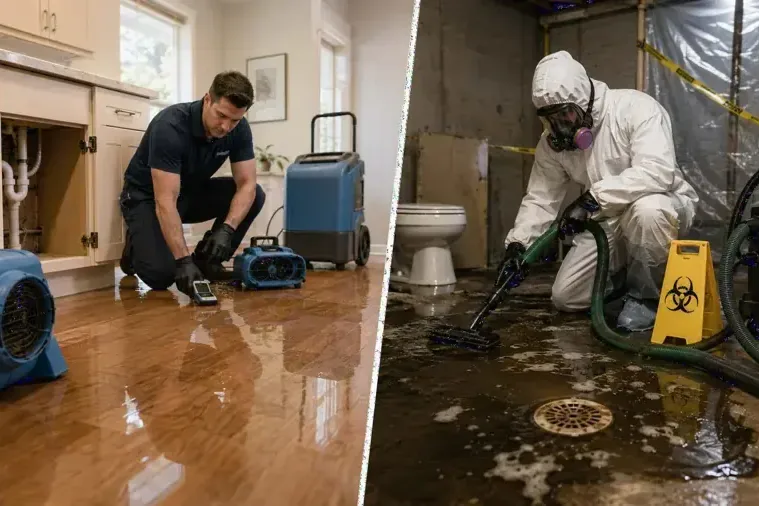
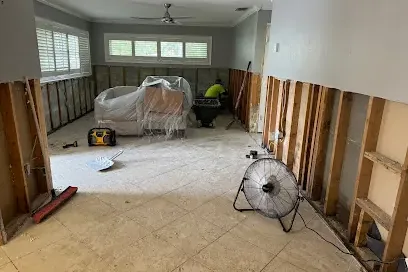
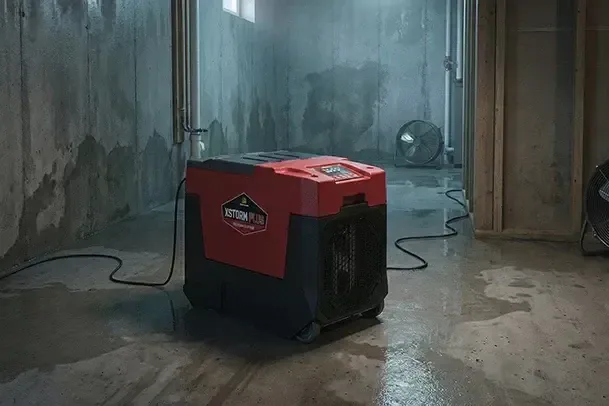
What water damage and drying look like on a job
Water damage service across Smithville and Clay County
ZIP code served
Give the street name and a cross road when calling, and say if the water is clean, gray or from a sewer.
Streets and landmarks
Towns around
Common causes of water damage here
Smithville sits along the Little Platte River in the Kansas City metropolitan area, and water damage in homes here usually starts with something ordinary: a failed pipe, a worn appliance, a roof leak or a drain that backs up.
Failed supply pipes
A pipe joint, hose or fitting can let go behind a wall or under a sink and run unseen, soaking drywall and flooring before anyone notices a stain or a smell.
Water heaters near the end
An aging tank can leak slowly or empty itself onto the floor, which makes the utility area the first place to check after a damp smell or a puddle.
Heavy rain and runoff
When storms drop more rain than the ground can absorb, runoff can reach garages, entries and lower levels, and the first job is pumping out and drying the space.
Roof and ceiling leaks
Water that gets under roofing soaks attic insulation first, so a stain on the ceiling often means the damage above it is already larger, and the insulation must be checked.
Drains that back up
A blocked drain can push wastewater into a bathroom or a lower level, and that water is contaminated, so it needs sanitary removal rather than a simple mop up.
1972 to 1979
Smithville Dam began construction in 1972 and was completed in 1977, and Smithville Lake began filling in 1979 as a reservoir built primarily for flood control.
Water damage questions from local property owners
Not sure what you are dealing with?
Describe where the water is and where it came from, and the crew can tell you what happens first.
(888) 603-7319 Ask about the leak nowHow fast should water be removed after a leak?
As fast as possible. Drywall, subfloors and framing start absorbing standing water right away, and the 24 to 48 hour window is when mold can begin, so extraction and drying should start at once.
What is the difference between clean, gray and black water?
Clean water comes from a broken supply source. Gray water carries some contamination, such as a failed pump or an appliance overflow. Black water, including sewage, carries bacteria and calls for removal of porous materials and sanitizing.
Does a dry looking floor mean the job is finished?
No. Subfloors, wall bottoms and insulation can hold moisture while the surface feels dry. Meters confirm the true reading, and equipment stays until every material reaches its target.
Can wet carpet be saved?
Often, if the water was clean and drying begins early. The pad usually has to come out, while the carpet can be lifted, dried and reset, and hard flooring can often be dried in place. Contaminated water changes that, since carpet and pad touched by sewage are removed.
What should be shut off first in a pipe break?
Close the main water valve, then switch off power to wet rooms from a dry spot if it is safe, and never wade into standing water. Photograph the damage before moving anything, then ask for extraction.
Is sewage backup safe to clean up alone?
Sewage carries bacteria and viruses, so it is not a job for a mop and bleach. Protective gear, containment and sanitizing are used, and porous materials the water touched are removed and discarded.
Will drying records help with an insurance claim?
Yes. Moisture maps, dated photos and daily readings show the adjuster what was wet and how it was dried, and they list what was removed and why, which supports the claim file.
How long does structural drying take?
Most jobs run a few days, depending on the materials, the amount of water and the drying conditions. Dense materials such as hardwood and concrete take longer, and readings decide when the equipment comes out.
Can a Smithville business stay open during water cleanup?
Often the rest can stay in use. The wet area is sectioned off and dried with its own equipment, as long as safety and the type of water allow it.
What affects the cost of water damage cleanup?
The water category, the area affected, the materials involved and how long the water sat all change the scope. Clean water in one room costs far less than contaminated water across a whole level.
Standing water, a wet ceiling or a soaked wall? Get the extraction started.
Moisture spreads into every porous material it touches. The response team removes the water, dries the structure and documents the loss.
(888) 603-7319Reach the extraction crew now