Basement Flooding Cleanup in Smithville, MO
When water reaches a basement or any lower level, the first jobs are the same: stop the source, pump out the water and dry the space before drywall and stored belongings soak it up.
(888) 603-7319Have the lower level drained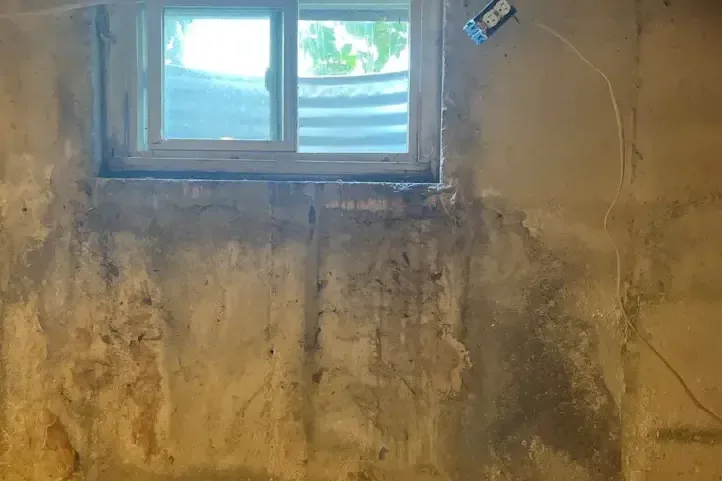
Why basement flooding cleanup needs a measured dry-out
- Dispatch around the clock. Active water is treated as urgent at any hour, weekends and holidays included, because drywall and subfloor keep wicking until extraction starts.
- Sized to the class of loss. Air movers and LGR dehumidifiers are set by the class of loss under the IICRC S500 drying standard, not by a guess.
- Readings decide the finish. Daily moisture readings track each wet material until it sits within 2 to 4 points of a dry reference in the same home.
- A claim file built during the work. Moisture maps, psychrometric logs and timestamped photos taken before demolition give the adjuster a clear record.
- Lower levels checked, not assumed. Sump pits, floor drains, wall bottoms and the slab edge get metered, not just the spot where water showed up.
First steps for basement flooding cleanup
- Cut power to the wet level. Switch off breakers from a dry spot and never step into water that is near outlets.
- Stop more water entering. Close a leaking valve, check a pump if there is one and keep drains clear while the cause is found.
- Hold off on drains. If water rose through a floor drain, pause laundry, showers and the dishwasher until it clears.
- Photograph first. Capture the high water mark on walls and the items affected before cleanup begins.
What does basement flooding cleanup cost in Smithville, MO?
Basement flooding cleanup usually falls between $2,500 and $15,000, driven by whether the space is finished, the water category, the square footage and how soon drying began.
Unfinished basement
- Water pumped off concrete
- Wall bottoms checked
- Dehumidifiers placed
Finished basement, clean water
- Drywall cut above the stain
- Wet pad removed
- Slab and framing dried
Finished basement, sewage
- Contaminated materials removed
- Containment and sanitizing
- Verified clearance readings
Ranges are typical, not a quote: category of water, square footage, material class and how fast drying started move the number most. Run the water damage cost calculator for a closer range.
How basement flooding cleanup is handled, step by step
Trace
Find where the water entered and name its category.
Pump
Take the standing water and lift the rest from the floor.
Open
Cut wet drywall high enough for the cavity to dry.
Dry
Run dehumidifiers until the concrete and framing read dry.
Lower levels collect water because gravity sends it there. A pipe that fails upstairs, a drain that backs up or rain that gets past a door or window well can all end up in the same place, and the cleanup starts by learning which one it was.
Finding the source first
Water that keeps entering cannot be dried, so the crew traces the source before pumping. A clean supply pipe is handled differently from a drain or outdoor water, and that decision shapes everything that follows.
- Clean water from a pipe can often be dried in place
- Drain or outdoor water means porous materials come out
- Sewage moves to a sanitary cleanup plan
- Power to the wet level is cut before anyone enters
Water covering a lower floor? Pumping can begin as soon as the source is stopped.
(888) 603-7319Get the lower level pumpedPumping, opening and drying
Pumps take the standing water, then extractors lift what remains on the floor. Drywall is cut above the wet mark so the cavity behind it can dry, and wet insulation and carpet pad are removed. Dehumidifiers pull moisture from concrete and framing, which hold it longer than most people expect. A final round of readings on the slab and wall bottoms decides when the equipment can leave. The drying stage is covered in more detail under structural drying.
What stored belongings need
Cardboard, fabric and paper soak up water fast and are rarely worth keeping if the water was contaminated. Photograph each item before discarding it, and set aside anything sentimental for a closer look. Hard goods can be cleaned and dried. If the water came from a pump failure, see sump pump failure cleanup.
Basement flooding cleanup across Smithville and nearby communities
Calls for a flooded lower level can come from any part of Smithville, whether the building sits near downtown Main Street, out along Route DD or toward U.S. Route 169 on the west side.
The same service nearby: basement flooding cleanup in Liberty, Kearney, Gladstone.
Basement Flooding Cleanup questions in Smithville, MO
Still dealing with it?
Water covering a lower floor? Pumping can begin as soon as the source is stopped.
(888) 603-7319 Get the lower level pumpedWhy is drywall cut after a basement floods?
Drywall pulls water upward and the cavity behind it stays damp. Cutting above the wet mark lets studs and insulation dry or be replaced, so the wall does not stay wet for weeks.
Can a finished lower level be saved?
Often, when the water is clean and removal begins early. Carpet pad and low drywall usually come out, and the framing and slab are dried in place.
How long does the drying take?
It depends on how much water entered and what the walls and floor are made of, though lower levels usually need a multi day run of dehumidifiers with readings taken each visit.
Is floor drain water safe to handle?
No. Water that rose through a drain can carry waste, so it is treated as contaminated and porous materials it touched are removed.
Does basement flooding mean sewage?
Not always. Rain, a failed pipe or an appliance can flood a lower level with relatively clean water, but a drain backup is treated as sewage until shown otherwise.
What should be moved out first?
Lift electronics, papers and soft goods onto dry surfaces if it is safe. Leave heavy furniture alone, and photograph everything the water reached before it is moved or discarded.
A flooded lower level feeds on every extra day of moisture.
Concrete, drywall and stored boxes hold water. The crew removes it and dries the whole level to dry readings.
(888) 603-7319Request lower level drying