Water Damage Restoration Kansas City, MO
Burst pipes, failed sump pumps and storm runoff can put water in a Northland home without warning. The restoration team extracts it, dries the structure and records the loss for the insurance claim.
(888) 603-7319Talk to a Northland crew now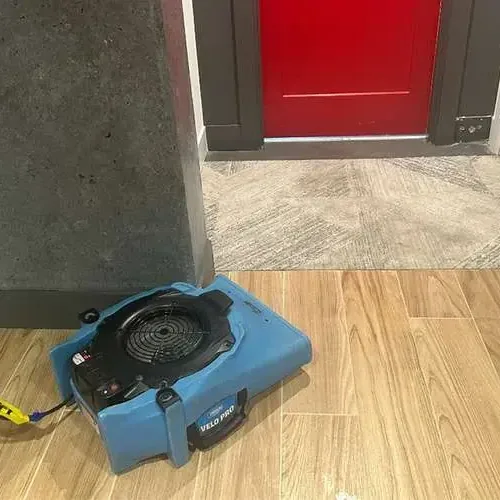
Twelve services for Northland water problems
From a pump-out after heavy rain to drying a business after a pipe failure, each service below comes with pricing, steps and answers for Northland property owners.
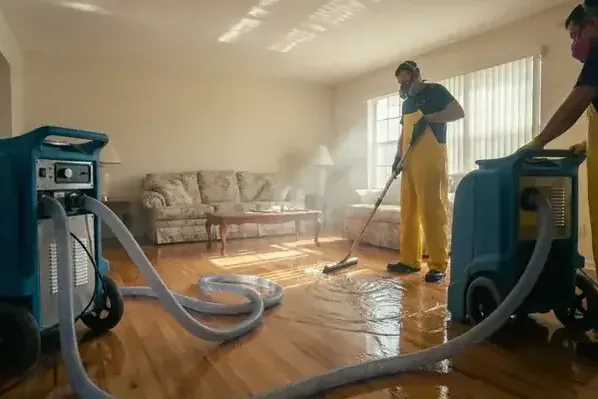 Water Extraction and RemovalPumps and wands pull standing water off floors and out of carpet so drying starts before moisture climbs the walls.View service
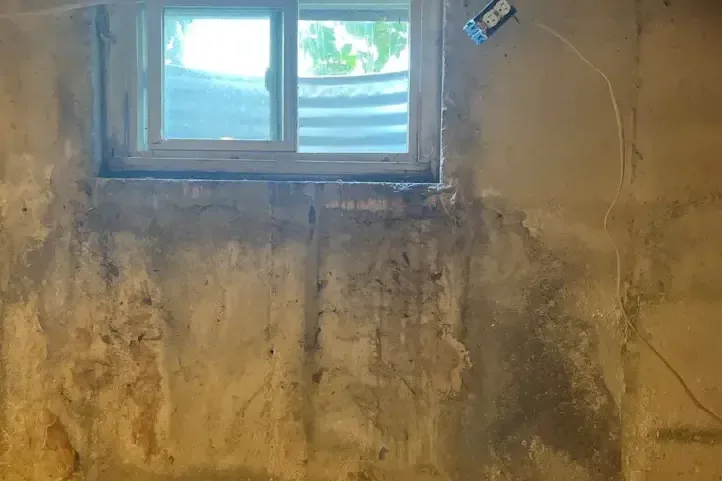 Basement Flooding CleanupLower-level water is pumped out, then wet drywall, pad and framing are opened, dried and tested before any rebuild starts.View service
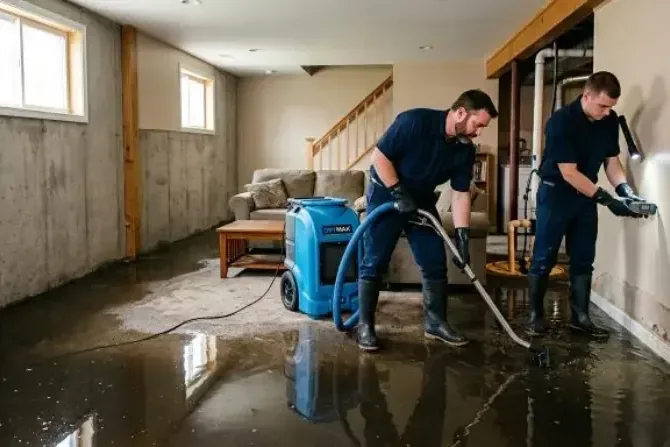 Sump Pump Failure CleanupWhen a sump pump quits in a storm or outage, the crew extracts the water and dries the walls and floor.View service
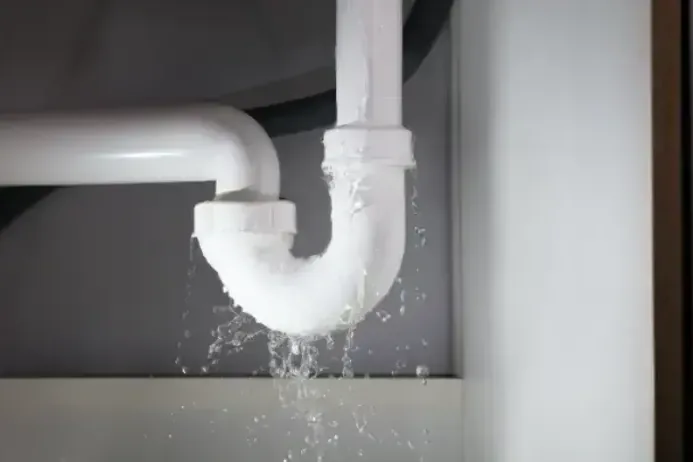 Burst Pipe Water DamageA split supply pipe can soak several rooms quickly, so wet materials are found, removed or dried before damage spreads.View service
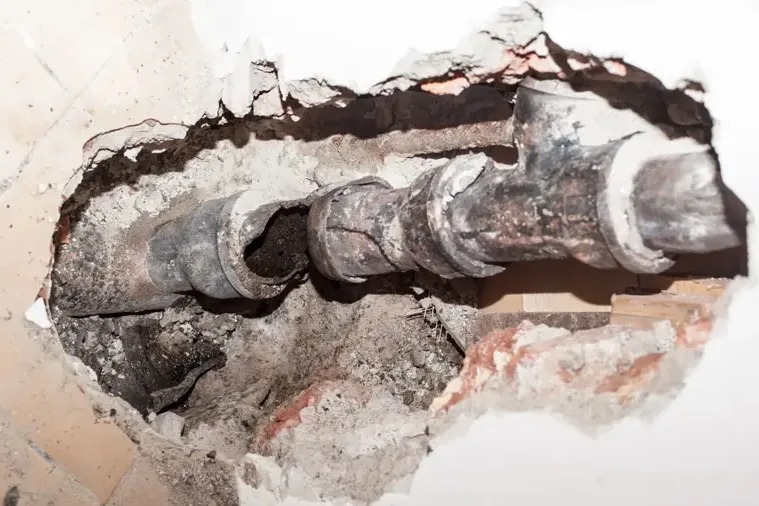 Frozen Pipe Water DamagePipes that freeze and split release water when they thaw. The mitigation team traces the leak and dries the cavity behind it.View service
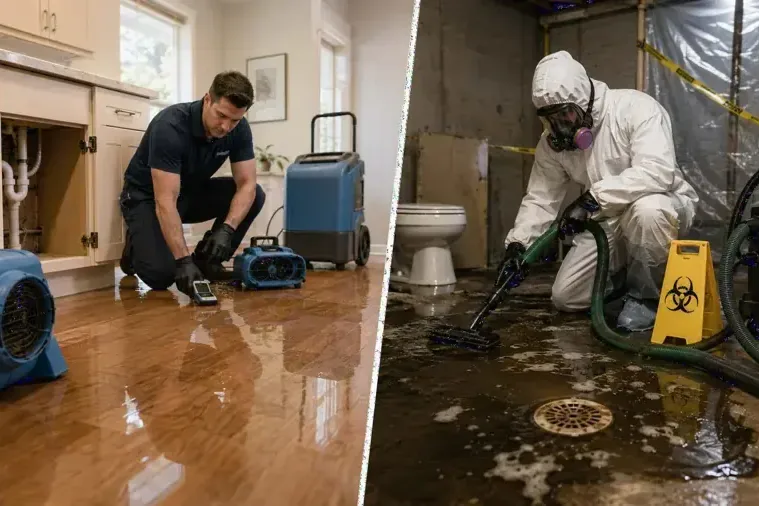 Sewage Backup CleanupContaminated water calls for protective gear, containment and disinfection, with porous materials removed and the area cleaned to a safe standard.View service
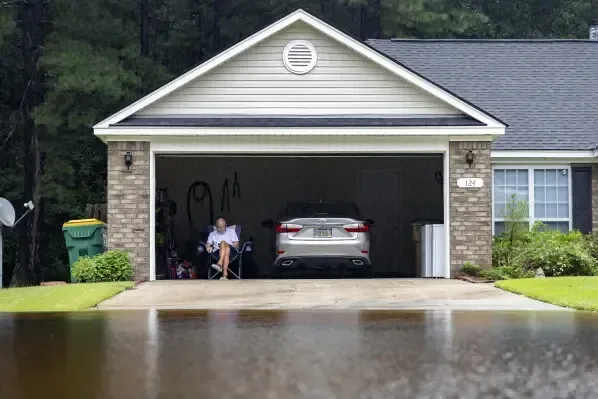 Storm and Flash Flood CleanupHeavy rain and runoff that reach a garage or lower level are pumped out, and the wet structure is dried and documented.View service
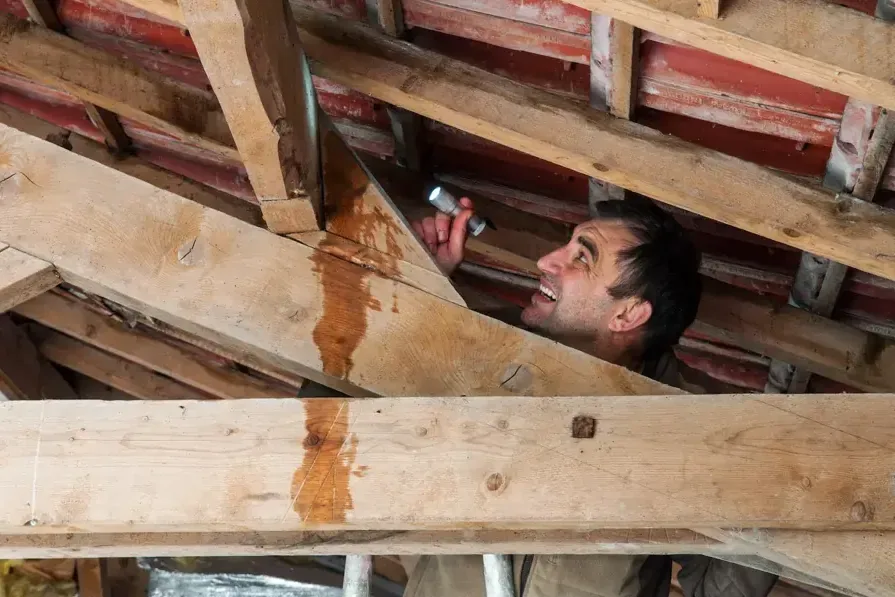 Roof Leak Water DamageHail or wind damage can let rain into the attic. The team traces the stain, dries framing and insulation, and protects rooms below.View service
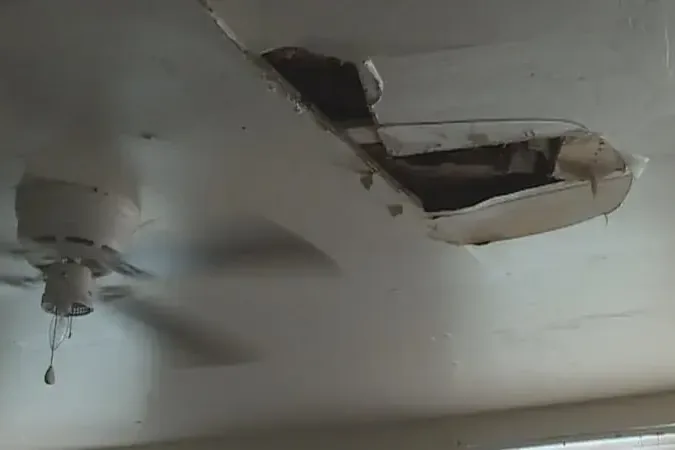 Ceiling Leak Water DamageA stained or sagging ceiling means trapped water. The crew finds the source, opens the ceiling and dries the cavity.View service
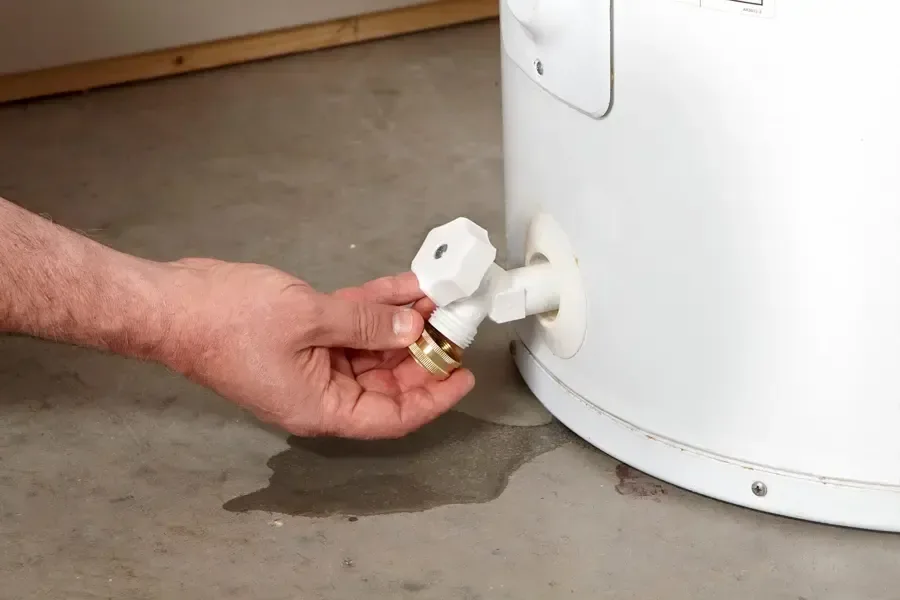 Water Heater Leak CleanupA leaking tank can flood a utility area and creep into nearby rooms. Extraction and drying stop the spread.View service
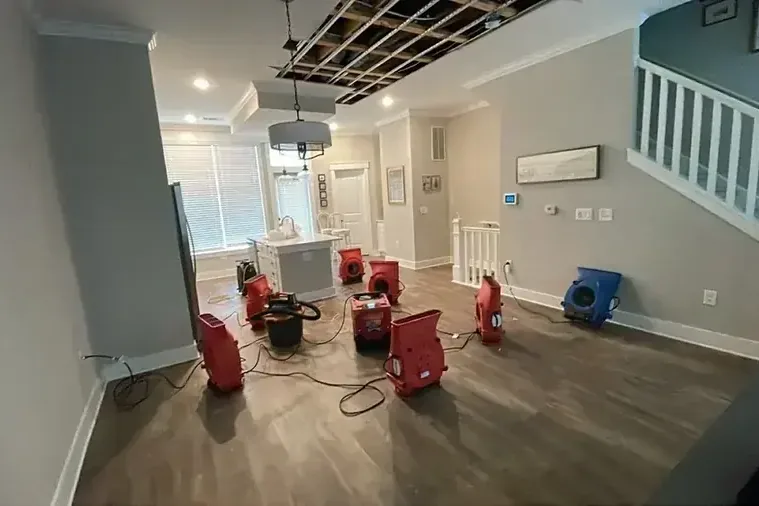 Structural Drying and DehumidificationAir movers and dehumidifiers dry framing, subfloor and drywall until moisture readings fall to the level of unaffected material nearby.View service
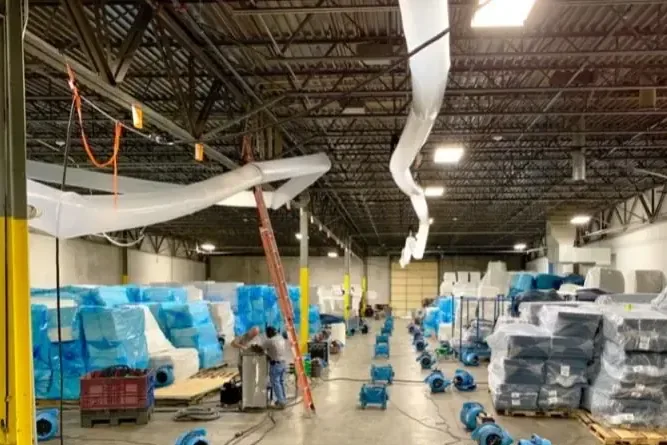 Commercial Water DamageBusinesses and shared buildings get a response plan that limits downtime, protects inventory and records the loss for the insurer.View service
Round-the-clock water damage dispatch for Kansas City, MO
One call starts a crew toward the Northland
The response team covers the Clay County and Platte County side of the city, from Staley Farms and Woodneath Farms to the Highway 152 corridor, across ZIP codes 64151 through 64158.
(888) 603-7319Ask whether your street is coveredA drying plan built on measurements, not guesses
The mitigation team measures moisture first, then sets equipment to match the materials and the volume of air, so drying is planned rather than improvised.
- Moisture mapped first. Thermal imaging and a moisture meter show where water traveled behind baseboards and under flooring before any fan is placed in the room.
- Equipment sized to the room. Air movers and dehumidifiers are chosen for the volume and the materials, then repositioned as the readings fall during the job.
- Readings recorded daily. Moisture levels are written down at every visit, so the crew knows when drying is finished and the adjuster can see the proof.
- A plain scope up front. Owners hear what will be removed, what will be dried and the likely cost range before the equipment goes in.
What to do while the water is still spreading
- Stop the source. Close the main valve or the fixture supply. Cut power to wet areas only if that is safe.
- Call the crew. Describe what is wet, for how long, and whether the water looks clean, gray or foul.
- Lift and protect. Raise small items off wet floors, pull up loose rugs and photograph the damage before anything is moved.
- Skip the shop vacuum. A household vacuum can spread contaminated water and is unsafe near outlets. Leave extraction to the crew's pumps.
- Notify the insurer. Report the loss early. Dated photos and a drying log show the adjuster what was wet and what was dried.
A measured, documented drying process
Each job follows a written sequence from first moisture reading to final verification, so owners and adjusters can see exactly what was done and why.
Inspect and map
Moisture meters and thermal imaging show where water traveled, and the water is classified as clean, gray or contaminated before work begins.
Remove the water
Pumps and extraction tools take out standing water, and unsalvageable pad, drywall and insulation are cut away and bagged.
Dry the structure
Air movers and dehumidifiers are placed to match the room, and the setup is adjusted at each visit as readings drop.
Verify and record
Final readings are compared with unaffected materials, equipment is removed and the log is ready for the claim file.
Where the water came from changes the plan
Water from inside the house
A split pipe, failed hose or leaking tank puts clean water in the walls and floors, and the first hours matter most.
Water from outside
Rain that overruns a yard or a pump floods garages and lower levels and often carries dirt, so it is handled with more caution.
Contaminated water
Sewage and drain backups carry bacteria, so porous materials are removed and the area is cleaned and disinfected.
What water damage cleanup usually costs
Most Northland water damage jobs run from about $1,200 for one wet room to $15,000 or more for a sewage-contaminated finished basement, depending on water category, area and drying time.
One room, clean water
- Water extraction and drying
- Wet carpet pad removal
- Moisture readings
Finished basement, clean water
- Wet drywall cut out
- Dehumidifier drying
- Daily moisture readings
Finished basement, sewage
- Porous materials removed
- Hard surfaces disinfected
- Extended drying time
Final pricing follows the water category, the square footage that is wet and how many days the equipment runs. A written scope comes before any demolition begins.
Documenting damage for the adjuster
Coverage depends on the policy and on how the water arrived, so clear records of the cause, the timeline and the drying work make the claim easier to support.
- Dated photos before cleanup starts
- Date and time the water was first found
- Source of the water, if it is known
- Daily moisture and drying logs from the crew
- Receipts for emergency repairs and supplies
What owners can do themselves
Photograph every wet room and damaged item before moving anything, and keep damaged materials until the adjuster has seen them if that is safe.
Call the insurance company early, describe the water source plainly and ask what the policy requires for emergency drying and temporary repairs before work begins.
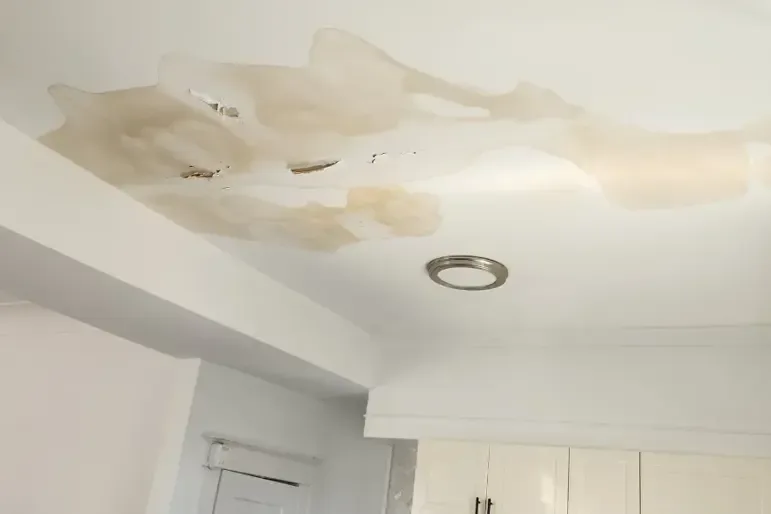
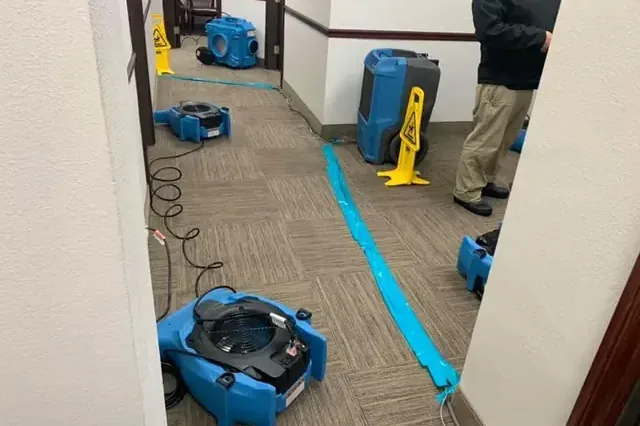
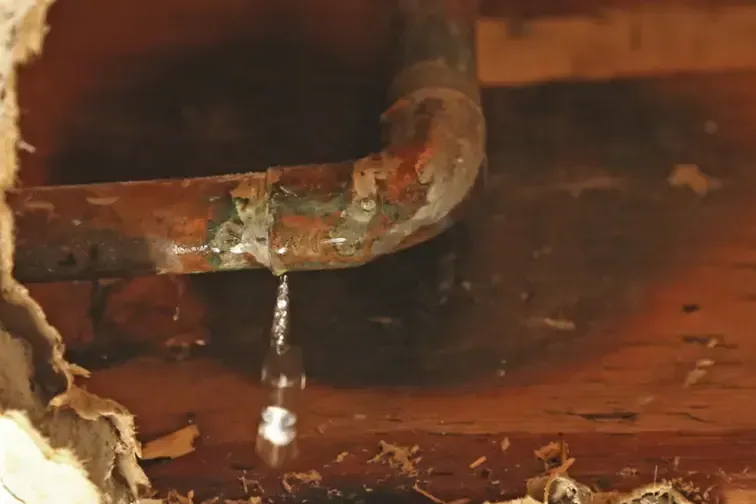
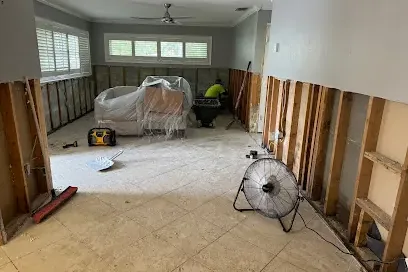
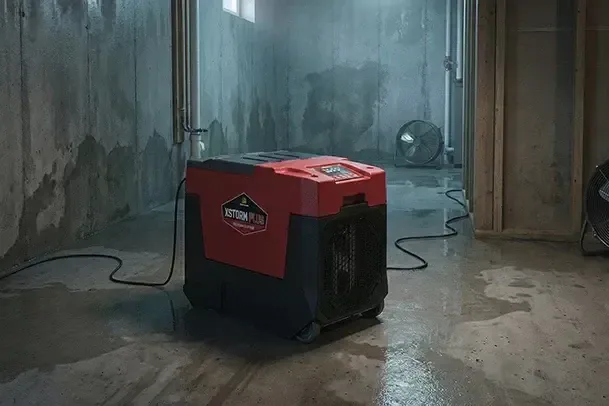
Typical conditions the restoration team works in
Water damage coverage across Kansas City's Northland
ZIP codes
Not sure whether an address falls inside? Call anyway and name the neighborhood or the nearest cross street.
Neighborhoods and corridors
Nearby communities
What puts water in Northland buildings
Water problems here come from a short list of causes, and a KC Water Services engineering officer has noted that rain intensities have exceeded what most storm water systems were designed to handle.
Rain beyond design limits
Most storm water systems are designed for a 10-year storm, the engineering officer said. When rain exceeds that, water looks for any way into garages, window wells and lower levels.
Spring storms and roofs
The metro sits in Tornado Alley, where powerful storms form most often in spring. Wind and hail can open a roof, and the first sign inside is often a stain on a ceiling.
Long power outages
The 2002 ice storm left hundreds of thousands of metro residents without power for days or weeks. When power fails, sump pumps stop and unheated pipes can freeze and split.
Clogged storm inlets
The same official noted that litter and yard waste dumped before rain can clog storm inlets and stop water from moving, so clear inlets matter before a storm arrives.
Growing neighborhoods
Copperleaf and Davidson Farms are newer construction, and the Highway 152 corridor keeps growing. New or established, any building can suffer a failed supply hose or water heater.
February 2026
A 12-inch city water main break east of Interstate 29 and Tiffany Springs Parkway was reported on February 19 and affected about 50 customers.
Water damage questions from Northland owners
Is water still reaching new rooms?
Close the main valve if it is safe, stay out of deep or dark water and ask the crew how extraction would begin.
(888) 603-7319 Ask about extraction nowWhich Northland areas does the restoration team cover?
Service runs across the Clay County and Platte County side of the city, including Staley Farms, Copperleaf, Davidson Farms, Woodneath Farms, Benson Place, Carriage Hills and the Highway 152 corridor. If an address is not named, call and ask.
How much does water damage cleanup cost?
Costs run from about $1,200 for one wet room of clean water to $15,000 or more for a finished basement with sewage. The water category, the area affected and the days of drying set the price. A written scope comes before any demolition.
Does insurance pay for water damage restoration?
It depends on the policy and the cause. Sudden events such as a burst pipe are often treated differently from slow leaks or surface flooding, so report the loss early and keep photos and drying logs.
How long does structural drying take?
Most drying runs several days, and the readings decide the end date rather than the calendar. Dense materials such as hardwood and framing take longer than carpet and drywall. The crew checks and adjusts equipment at each visit.
Is sewage different from clean water damage?
Yes. Sewage carries bacteria, so porous materials such as carpet, pad and drywall are removed rather than dried, and hard surfaces are cleaned and disinfected. Owners should stay out of the affected area.
Can a flooded lower level be saved?
Often yes, if the water comes out quickly and wet drywall and pad are removed. Concrete and framing can usually be dried in place, while finish materials that wicked water may need replacement. A moisture test settles which parts stay.
What should be done before the crew arrives?
Shut off the water source if it is safe, move small items out of the wet area and photograph the damage. Avoid using a household vacuum on deep or dirty water.
Can commercial buildings get water damage service too?
Yes. Commercial properties in the Highway 152 corridor and elsewhere on the Northland side can request extraction and drying, with a plan that limits downtime and documents the loss. Written plans and moisture logs support the building owner's claim.
Why does the crew log moisture readings?
Readings show whether drying is working and when it is finished. They also give the adjuster a written record that the structure returned to normal moisture levels before repairs began. Daily logs also show when equipment can come out.
How soon does mold become a concern?
Mold can begin growing in wet materials within a day or two, which is why fast extraction and steady drying matter. Materials brought back to normal moisture do not support it.
Water in the house? Start the drying before it spreads further
The restoration team handles extraction, drying and documentation for Northland properties, so owners can focus on the claim and the repairs.
(888) 603-7319Call the Northland crew