Storm and Flash Flood Cleanup in Kansas City, MO
A KC Water Services engineering officer said most storm water systems are designed for a 10-year storm and that rain has exceeded it. When runoff reaches a building, the crew pumps it out and dries it.
(888) 603-7319Get storm runoff pumped out and dried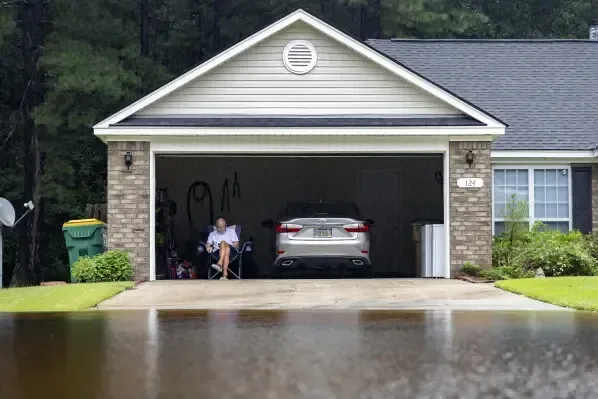
Why storm and flash flood cleanup needs a measured dry-out
- Dispatch around the clock. Active water is treated as urgent at any hour, weekends and holidays included, because drywall and subfloor keep wicking until extraction starts.
- Sized to the class of loss. Air movers and LGR dehumidifiers are set by the class of loss under the IICRC S500 drying standard, not by a guess.
- Readings decide the finish. Daily moisture readings track each wet material until it sits within 2 to 4 points of a dry reference in the same home.
- A claim file built during the work. Moisture maps, psychrometric logs and timestamped photos taken before demolition give the adjuster a clear record.
- Lower levels checked, not assumed. Sump pits, floor drains, wall bottoms and the slab edge get metered, not just the spot where water showed up.
First steps for storm and flash flood cleanup
- Stay out of runoff. Storm water can hide debris, sharp objects and live electrical hazards, and it often carries bacteria.
- Turn off power safely. If the panel or outlets are wet, leave them alone and call an electrician.
- Photograph the damage. Take dated pictures of the water level, mud marks and affected belongings.
- Move valuables up. Lift documents and electronics onto dry shelves if that can be done without wading.
What does storm and flash flood cleanup cost in Kansas City, MO?
Storm and flash flood cleanup typically runs $3,000 to $18,000 or more, depending on how much of the building flooded, how much silt and debris came in and how long the water stood.
Garage or small area
- Runoff pumped out
- Debris cleared
- Surface cleaning
Basement level
- Silt and mud removed
- Wet drywall cut out
- Dehumidifier drying
Several rooms or levels
- Flooring removal
- Treatment of surfaces
- Extended drying
Ranges are typical, not a quote: category of water, square footage, material class and how fast drying started move the number most. Run the water damage cost calculator for a closer range.
How storm and flash flood cleanup is handled, step by step
Pump
Runoff is pumped out of garages and lower levels.
Clear
Silt, mud and debris are removed from floors.
Clean
Surfaces are washed and treated.
Dry
Equipment runs until readings return to normal.
Storm water carries mud, debris and bacteria from yards and streets, so it is never treated as clean water. The cleanup starts with removal, then moves to cleaning and drying.
Rain and the design limits
The KC Water Services official said litter and yard waste dumped before rain can clog storm inlets and stop water from moving. Keeping inlets clear before a storm helps, but heavy rain can still overrun a system built for a 10-year storm.
Runoff in the garage or lower level? Describe the water and the crew will explain the pump-out and cleaning steps.
(888) 603-7319Report the runoffThe city's flash flood record
Kansas City has a record of flash floods, including in 1977 and 1998, that struck other parts of the city. They show how quickly rain on saturated ground becomes runoff, even though neither one was a Northland event.
- Runoff pumped from garages and entries
- Silt and debris shoveled out
- Soaked porous materials removed
Cleaning before drying
Contaminated surfaces are washed and treated before drying begins, so equipment does not circulate soil and bacteria. Water extraction and basement flooding cleanup often run in parallel.
Storm and flash flood cleanup across Kansas City and nearby communities
Storm cleanup covers the Northland side of Kansas City, including Davidson Farms and Staley Farms, along Interstate 29 and Tiffany Springs Parkway and the area around Hodge Park, in both Clay and Platte counties.
The same service nearby: storm and flash flood cleanup in Liberty, Gladstone, Smithville.
Storm and Flash Flood Cleanup questions in Kansas City, MO
Still dealing with it?
Runoff in the garage or lower level? Describe the water and the crew will explain the pump-out and cleaning steps.
(888) 603-7319 Report the runoffIs storm water considered contaminated?
Yes. Runoff picks up soil, fertilizer, animal waste and debris on its way in, so it is treated as contaminated and porous materials it soaks are usually removed.
Why did rain flood the house?
A KC Water Services engineering officer said rain intensities have exceeded the 10-year storm that most storm water systems are designed for, so water can overrun drains and reach buildings.
Does storm flooding come with insurance coverage?
Standard homeowners policies often exclude rising surface water, which may need separate flood coverage. Check the policy, report the loss early and keep photos of the water level.
Can clogged storm inlets make flooding worse?
The same official said litter and yard waste dumped before rain can clog storm inlets and stop water from moving. Clearing debris from nearby inlets before a storm is a simple precaution.
How long does storm flood cleanup take?
The pump-out and cleaning take the first stage, and drying usually runs several days afterward. Moisture readings decide when the structure is ready for repairs.
What should be thrown away after a flood?
Porous items such as carpet, pad, upholstered furniture and drywall that sat in storm water are usually discarded. Hard items can often be washed and treated.
Get the runoff out and the structure dried
Storm water leaves silt and bacteria behind as well as moisture. The crew removes the water, cleans the surfaces and dries what remains.
(888) 603-7319Talk to the storm crew