Storm and Flash Flood Cleanup in Kearney, MO
Most severe weather around Kearney comes in spring and summer, which is the season storm water cleanup is most often needed. The crew pumps out the water, cleans the surfaces and dries what runoff reached.
(888) 603-7319Kearney storm water help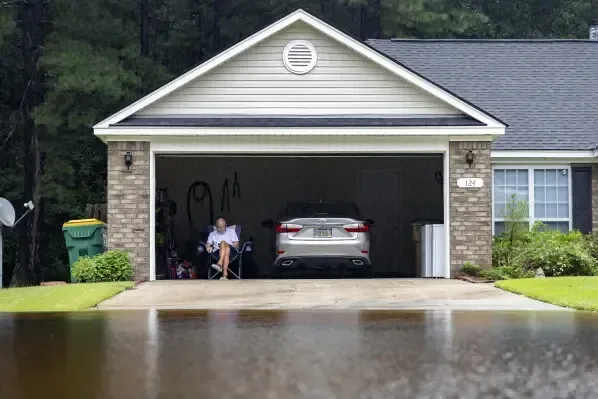
Why storm and flash flood cleanup needs a measured dry-out
- Dispatch around the clock. Active water is treated as urgent at any hour, weekends and holidays included, because drywall and subfloor keep wicking until extraction starts.
- Sized to the class of loss. Air movers and LGR dehumidifiers are set by the class of loss under the IICRC S500 drying standard, not by a guess.
- Readings decide the finish. Daily moisture readings track each wet material until it sits within 2 to 4 points of a dry reference in the same home.
- A claim file built during the work. Moisture maps, psychrometric logs and timestamped photos taken before demolition give the adjuster a clear record.
- Lower levels checked, not assumed. Sump pits, floor drains, wall bottoms and the slab edge get metered, not just the spot where water showed up.
First steps for storm and flash flood cleanup
- Pump out the water. Submersible pumps clear runoff from the garage and living areas.
- Clear the debris. Mud, silt and storm debris are shoveled or vacuumed out of the rooms.
- Wash and remove. Surfaces are washed, and carpet and pad that sat in the water are taken out.
- Dry the structure. Air movers and dehumidifiers run until readings match dry materials.
What does storm and flash flood cleanup cost in Kearney, MO?
Storm and flash flood cleanup commonly costs from $3,000 for a garage or small area to $18,000 or more when several rooms or levels took on water.
Garage or small area
- Runoff pumped
- Debris cleared
- Floors dried
Basement level
- Deep water pumped
- Finishes removed
- Walls dried
Several rooms or levels
- Multi-level cleanup
- Debris hauled
- Extended drying
Ranges are typical, not a quote: category of water, square footage, material class and how fast drying started move the number most. Run the water damage cost calculator for a closer range.
How storm and flash flood cleanup is handled, step by step
Pump
Remove the runoff from every low spot.
Clear
Take out mud, silt and debris.
Wash
Clean the surfaces the water crossed.
Dry
Verify with moisture readings.
Storm water is rarely clean. Runoff carries soil, yard chemicals and sometimes sewage, so water that entered a home during a storm is handled with gloves and boots and gets a cleaning step before drying starts.
From runoff to dry floors
Pumps remove the water first, then mud and debris are shoveled or vacuumed out before surfaces are washed. Carpet and pad that sat in storm water are usually removed, while hard floors and concrete are cleaned and dried.
- Water pumped from garage and living areas
- Silt and debris removed
- Floors and lower walls washed
- Dehumidifiers set up
Storm water in the garage or living area? The pumping should start before the mud settles into the floors.
(888) 603-7319Call for storm helpWhy storm season matters
Kearney is described as lying in Tornado Alley, where most severe weather arrives in spring and summer but can also happen in winter. Wind and heavy rain can damage roofs and push water in at ground level, as covered in roof leak water damage.
Drying after the cleanup
Once surfaces are washed, structural drying brings down the moisture left in walls and subfloors. Humid weather after a storm slows that work, so dehumidifiers run until readings match dry materials.
Storm and flash flood cleanup across Kearney and nearby communities
Storm cleanup covers properties across north central Clay County and ZIP code 64060, in the city of Kearney and in the small part of it that lies in the Excelsior Springs 40 School District.
The same service nearby: storm and flash flood cleanup in Liberty, Excelsior Springs, Smithville.
Storm and Flash Flood Cleanup questions in Kearney, MO
Still dealing with it?
Storm water in the garage or living area? The pumping should start before the mud settles into the floors.
(888) 603-7319 Call for storm helpIs storm water safe to clean up myself?
Not without protection. Runoff can carry soil, chemicals and sewage, so gloves, boots and careful handling matter, and large volumes are best left to a crew with pumps and protective gear.
Does insurance cover storm flooding?
Standard homeowners policies often exclude rising surface water, while wind-driven rain through a damaged roof may be covered. The policy language and the insurer decide, so ask before work starts.
How soon should the cleanup start?
As soon as the area is safe to enter. Wet materials in warm, humid weather break down quickly, so pumping and drying right away limits how much has to be replaced.
Can water from outside be dried in place?
Hard surfaces and framing often can, once they are washed. Carpet, pad and insulation that sat in runoff are usually removed because they hold dirt that cleaning will not reach.
What if the storm also damaged the roof?
Both problems need attention. The roof is repaired or tarped by a roofer, and the interior is dried so the water that came in does not keep damaging ceilings and walls.
After the storm, get the water out
The restoration team pumps out the runoff, clears the debris, washes the surfaces and dries the structure with logged readings.
(888) 603-7319Call for flood cleanup help